
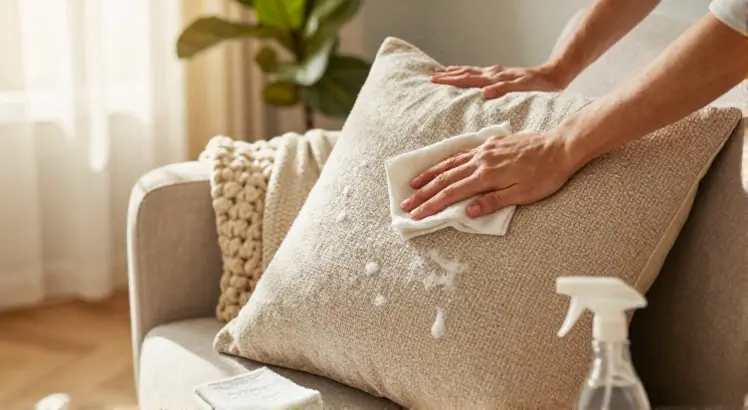
A backrest pillow, often called a reading pillow or husband pillow, is your go-to support for relaxing in bed or lounging on the couch. Because it gets so much daily use, it quickly absorbs sweat, body oils, dead skin cells, and dust. Over time, that buildup leads to flattening, stale smells, and deep-set stains. Knowing how to clean backrest pillow correctly is the secret to refreshing the fabric and protecting the inner fill without causing clumping or tearing. This guide breaks down the safest, easiest methods to wash and restore your favorite lounger so it stays supportive and odor-free for years.
Why Proper Cleaning Matters for Your Backrest Pillow
Your backrest pillow collects dead skin cells, spills, and pet dander daily. These contaminants can trigger allergies and respiratory issues. Regular cleaning removes these irritants and keeps the pillow hygienic. A clean pillow also maintains its shape and loft for better support.
Ignoring the care label can lead to shredded foam, flattened filling, or a lumpy surface. Different materials need different approaches. A gentle method safeguards the fabric and the internal structure. This guide gives you safe, tested techniques for every type of backrest pillow.
Understanding Your Backrest Pillow Fabric and Filling
Before you start, identify what your pillow is made of. The filling and cover determine the cleaning method. Common fillings include shredded memory foam, polyester fiberfill, and microbeads. The outer cover is usually velour, microfiber, cotton, or a plush fur-like material.
Common Backrest Pillow Fillings
Shredded memory foam offers contouring support but must never be soaked. Polyester fiberfill is resilient and machine washable when done correctly. Microbead pillows need careful handling because the beads can escape through small openings. Always check the manufacturer’s tag for the filling type.
Some backrest pillows have a removable cover and a separate inner cushion. This design makes cleaning much easier. If the cover is removable, you can wash it separately on a gentle cycle. The inner foam piece often requires spot cleaning only.
Fabric Types and Care Label Symbols
Look for the care label sewn into the seam. It uses universal symbols to indicate washing, bleaching, drying, and ironing instructions. A tub with a hand means hand wash only. A tub with a number shows the maximum water temperature. A crossed-out triangle means no bleach.
If your pillow has a fur-like or sherpa cover, it needs extra care to avoid matting. Velour and microfiber can pill if washed with abrasive items. Knowing these symbols prevents accidental damage. When in doubt, treat the pillow as delicate and use the gentlest method available.
Pre-Cleaning Preparation: What You Need to Know
Set aside enough time and gather the right supplies. You will need a mild liquid detergent, white vinegar, baking soda, and a soft brush. Avoid harsh chemicals like bleach or fabric softener. Fabric softener can coat the fibers and reduce breathability.
Remove the pillow from any decorative sham or pillowcase. Check for small tears or loose seams and repair them first. A small rip can turn into a major mess during washing. If the filling is loose, secure it inside a laundry bag before cleaning.
Vacuum the entire surface of the pillow using an upholstery attachment. This step lifts surface dust, hair, and crumbs. It also fluffs the fibers and prepares the fabric for deeper cleaning. Never skip vacuuming, it makes the washing process far more effective.
How to Machine Wash a Backrest Pillow
Machine washing is safe for many backrest pillows with polyester fill and removable covers. Always confirm the care label allows machine washing. Use a front-loading or top-loading machine without a central agitator. An agitator can snag the fabric and distort the pillow’s shape.
Step-by-Step Machine Washing Instructions
- Remove the cover if possible and wash it separately in a mesh laundry bag.
- Place the inner pillow or the whole pillow inside a large zippered laundry bag to protect it.
- Select the delicate or gentle cycle with cold water to prevent fiber breakdown.
- Add only a small amount, about half the usual dose, of mild liquid detergent.
- Run an extra rinse cycle to remove all soap residue, which can make the pillow stiff.
Never wash a backrest pillow with other items like towels or jeans. The friction creates pilling and can tear the fabric. Balance the load by adding a couple of thick towels if the machine becomes unbalanced. This is especially important for high-capacity washers.
If your pillow has a shredded memory foam filling, machine washing is risky. The foam can absorb water and break apart. For these types, refer to our detailed guide on washing a backrest pillow safely. It explains alternative methods for delicate foam fills.
How to Hand Wash a Backrest Pillow
Hand washing is the safest route for memory foam, microbeads, or fur-covered pillows. It gives you full control over water temperature and agitation. Fill a large basin or bathtub with lukewarm water. Add a capful of gentle detergent and mix until it dissolves completely.
Gentle Hand Washing Method
- Submerge the pillow and gently press it down to absorb the soapy water. Do not twist or wring.
- Use a soft cloth or sponge to gently rub any stained areas with a circular motion.
- Drain the soapy water and refill the basin with clean, cool water for rinsing.
- Repeat the rinsing process at least three times until no suds appear when you press the pillow.
For a bed rest style pillow with a fixed armrest, hand washing the entire unit can be tricky. Spot cleaning the soiled areas is often more practical. Our guide on cleaning a bed rest pillow covers those specific shapes in depth. You can adapt the same gentle technique to any large backrest pillow.
After hand washing, never put a memory foam pillow in the washing machine to rinse. The spinning motion destroys the foam structure. Instead, press out excess water between clean, dry towels. Patience during the rinse phase guarantees a residue-free result.
Spot Cleaning for Stains and Odors
Spot cleaning tackles small spills, food stains, or sweat marks without washing the entire pillow. It is perfect for pillows with non-removable covers or fragile fills. Mix a solution of equal parts white vinegar and cool water. Vinegar naturally deodorizes and breaks down light stains.
Natural Stain Removal Solutions
- For protein stains like sweat or blood, make a paste of baking soda and water. Apply it to the stain, let it sit for 30 minutes, then brush it off gently.
- For oil-based stains, sprinkle cornstarch on the area and let it absorb the grease for an hour before vacuuming.
- Dab, never rub, the stain with a microfiber cloth dipped in the vinegar solution. Rubbing pushes the stain deeper.
- Blot with a dry cloth and allow the spot to air dry completely. Check for colorfastness on a hidden area first.
You can refresh the entire pillow between washes by sprinkling baking soda over the surface. Let it sit for a few hours, then vacuum it off thoroughly. This simple trick absorbs musty odors and leaves the fabric smelling clean. It works wonders on fur-like backrest pillows.
Drying Your Backrest Pillow Without Damage
Drying is just as important as washing. Incorrect drying can cause mildew, clumping, or a burnt motor smell. High heat shrinks synthetic fibers and melts delicate foam. Always opt for low or no heat methods.
If the care label allows machine drying, use the lowest heat setting and add wool dryer balls. The balls bounce around and keep the filling from clumping. Pause the cycle every 15 minutes to fluff the pillow by hand. This prevents uneven drying and hard spots.
Air drying is the preferred method for memory foam and microbead pillows. Lay the pillow flat on a drying rack in a well-ventilated area. Flip it over every few hours to ensure even drying. Direct sunlight can fade the fabric, so choose a shaded spot with good airflow.
Never store a backrest pillow until it is completely dry inside and out. Even a small amount of residual moisture can lead to mold growth. Test the deepest part of the filling by pressing a dry paper towel into it. If the towel comes away damp, continue drying.
Maintenance Tips to Keep Your Pillow Fresh Longer
Good habits reduce how often you need to deep clean. Use a removable, washable cover on your backrest pillow at all times. Wash the cover every two weeks alongside your regular bedding. This simple barrier catches most of the sweat and debris.
Fluff the pillow daily to redistribute the filling and maintain its shape. Avoid eating or drinking while leaning against the pillow. If you must, keep a small towel draped over it. Spills happen, and even a tiny coffee drop can soak deep into the fabric.
Once a month, hang the pillow outside on a dry, breezy day for a few hours. Fresh air and UV light naturally kill odor-causing bacteria. Bring it inside before evening to avoid dew. This practice is especially helpful for large pillows that are hard to launder frequently.
Rotate the pillow if you tend to sit in the same position every day. Changing the orientation prevents one side from flattening prematurely. Following these small steps, along with the general pillow cleaning guidelines from trusted sources, keeps your investment feeling like new for years.
Frequently Asked Questions
Can I put a backrest pillow in the dryer?
You can if the care label permits. Use the lowest heat setting and wool dryer balls to prevent clumping. Air dry memory foam pillows.
How often should I clean my backrest pillow?
Wash removable covers every two weeks. Deep clean the entire pillow every three to four months, or more often if you sweat heavily or eat near it.
What if my backrest pillow loses its shape after washing?
Fluff it vigorously while it is still slightly damp. Manually break up any clumps of filling. Proper drying with dryer balls usually restores the original loft.
Is bleach safe for removing stains?
Most manufacturers advise against chlorine bleach. It weakens fibers and can yellow the fabric. Use oxygen-based bleach for whites or vinegar and baking soda for natural stain removal.
Conclusion: How to Clean Backrest Pillow
Learning how to clean a backrest pillow properly protects your health and prolongs the life of your cozy accessory. Match your method to the filling and fabric. Remember that gentle, low-temperature approaches are always the safest. Avoid harsh chemicals and never soak memory foam.
Start with a quick vacuum, choose between machine washing, hand washing, or spot cleaning, and dry the pillow completely. With regular maintenance and a protective cover, you will enjoy a fresh, supportive backrest for years. Use these steps to turn a once-dirty pillow into a clean, inviting spot to relax.