
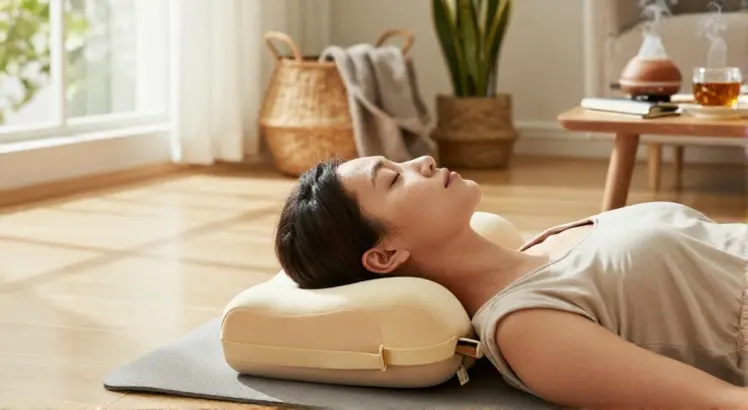
Neck pain and stiffness have become common complaints in our screen-focused world. A neck stretcher pillow, often called a cervical traction pillow, offers a simple, at-home method to ease tension and realign your cervical spine. Many people buy these ergonomic devices but fail to use them correctly, which can limit their benefits or even cause discomfort. This guide will walk you through exactly how to use neck stretcher pillow to safely relieve pain, improve posture, and promote relaxation.
Understanding the proper technique is essential because your neck houses delicate nerves and vertebrae. Using the pillow incorrectly may strain muscles instead of releasing them. We will cover the setup, the ideal duration for sessions, and tips based on physical therapy principles. Whether you have a simple foam arch or an inflatable model, the core steps remain similar.
What Is a Neck Stretcher Pillow?
A neck stretcher pillow is a specifically contoured device designed to support the natural curve of your cervical spine while gently stretching the neck muscles. Unlike a standard sleeping pillow, it has a raised, curved ridge that cradles the neck and allows the head to fall back slightly. This position creates a mild traction effect, which helps separate the vertebrae and take pressure off compressed discs and nerves.
These pillows typically come in two main varieties. Rigid or semi-rigid foam models provide a fixed arch. Inflatable models let you control the height and intensity of the stretch. Both types aim to reverse the forward head posture that many people develop from looking at phones and computers all day. Using a neck stretcher pillow is a form of passive cervical traction that you can do without hanging weights or complex medical devices.
Benefits of Using a Neck Stretcher Pillow
When used correctly, a neck stretcher pillow delivers multiple health benefits that go beyond temporary relief. The gentle traction helps decompress the cervical spine, which can reduce nerve impingement and the tingling sensations that travel down your arms. Many users report a noticeable decrease in tension headaches because tight suboccipital muscles at the base of the skull begin to release.
Regular sessions can also restore the natural lordotic curve of your neck. Losing this curve, often called military neck, leads to chronic strain on the ligaments. By passively positioning your head in alignment, the pillow trains your muscles to maintain better posture throughout the day. This can be a valuable complement to a treatment plan you discuss with a physical therapist or when you are choosing the best pillow for neck pain for nighttime support.
How to Use a Neck Stretcher Pillow Correctly
The key to success lies in a slow, mindful approach. Rushing into a deep stretch can trigger muscle guarding, which makes the pain worse. Follow these step-by-step instructions to build a safe and effective routine. Remember that the goal is gentle elongation, not intense pain.
Step 1: Choose the Right Location and Surface
Start by finding a firm, flat surface. A carpeted floor or a yoga mat works much better than a soft bed. If you use the pillow on a mattress, your body weight sinks down and reduces the traction effect. The floor provides a stable base that allows gravity to work with the contour of the pillow to create the stretch.
Make sure the room is quiet and at a comfortable temperature. You will be lying still for several minutes, so minimizing distractions helps your muscles relax fully. Keep a small rolled towel nearby in case you need to adjust the height or cushion a sensitive spot.
Step 2: Adjust the Pillow to Your Needs
Before lying down, inspect your neck stretcher pillow. Some models have different arch heights on each side or removable layers. Start with the lowest, gentlest setting, especially if you are a beginner. If you have an inflatable model, pump only a small amount of air until the pillow lightly supports your neck curve without pushing too aggressively against it.
Place the pillow on the floor with the curved peak positioned where your neck will rest. The higher side should sit right at the base of your skull. This placement maximizes the traction pull while keeping your head safely cradled. If you are unsure about the orientation, check the manufacturer’s instructions, but the principle remains similar to using a contour neck pillow like Tempur-Pedic, where the highest support goes directly under the cervical spine.
Step 3: Assume the Correct Position
Sit down on the floor with the pillow behind you, then slowly lie back so the peak of the pillow fits into the curve of your neck. Your head should drop back gently, with your chin tilting slightly away from your chest. Never force your head down or push your chin into an extreme stretch. Your shoulder blades should touch the floor, and your arms can rest by your sides or on your abdomen.
Bend your knees and place your feet flat on the floor. This position tilts your pelvis and flattens your lower back against the ground, creating a neutral spine alignment. It prevents your lower back from overarching, which could pull on the neck muscles you are trying to release.
Step 4: Start Your Traction Session
Once you are in position, take a few deep breaths and scan your body for tension. Beginners should limit the first session to just 2 to 3 minutes. As your neck adapts over several weeks, you can gradually increase the time to 10 or 15 minutes. Never use the pillow for longer than 20 minutes without consulting a healthcare professional.
You should feel a mild, comfortable pulling sensation along the back of your neck. If you experience sharp pain, numbness, or dizziness, stop immediately and remove the pillow. These are signs that the stretch is too aggressive or that the pillow is not positioned correctly.
Step 5: Relax and Breathe Properly
The effectiveness of cervical traction relies heavily on muscle relaxation. If you lie there tensing up, you will counteract the pull. Focus on slow, diaphragmatic breathing. Inhale through your nose for four counts, and exhale through your mouth for six counts. This breathing pattern activates the parasympathetic nervous system, which tells tight muscles to let go.
Visualize the space between your vertebrae widening with each exhale. Keep your jaw relaxed, and do not clench your teeth. Allowing your tongue to rest on the roof of your mouth can help release the muscles in the front of your neck.
Step 6: Ending the Session Safely
When your time is up, do not sit up quickly. Roll gently onto your side while keeping your head aligned with your spine. Rest there for a few seconds, then push yourself up using your arms. Standing up too fast after traction can cause a brief dizzy spell because the blood flow dynamics in your neck have changed.
After you are upright, move your neck slowly through a pain-free range of motion. Turn your head left and right, and tilt it side to side. This gentle movement distributes the synovial fluid in your joints and prevents stiffness later.
Common Mistakes to Avoid
- Using too much height too soon. Over-inflating the pillow or choosing a high arch before your neck adapts is the leading cause of muscle spasms.
- Falling asleep on the device. A neck stretcher pillow is not designed for overnight use. Prolonged static traction can overstretch the ligaments and cause instability.
- Ignoring referred pain. True traction should only cause a localized stretching sensation. Pain that shoots into the arm indicates nerve compression and requires stopping immediately.
- Using it on a bed. The soft surface absorbs the traction force, rendering the session nearly useless while putting your spine in a compromised, semi-bent position.
Who Should Use a Neck Stretcher Pillow?
These pillows are ideal for people with mild to moderate muscle tension, poor posture, or tension headaches caused by tight neck muscles. Office workers, drivers, and students who spend hours with a forward head posture often find significant relief. The pillow can also help athletes maintain cervical mobility and reduce post-workout soreness in the upper traps.
However, this tool is not a replacement for a proper diagnosis. If you have been involved in a car accident or have a sudden onset of severe pain, you need imaging tests before trying traction. The gentle decompression complements cervical traction therapy prescribed by a clinician, but it does not substitute professional medical advice.
Safety Precautions and Contraindications
Neck traction is not safe for everyone. You should avoid using a neck stretcher pillow if you have cervical spine instability, rheumatoid arthritis affecting the neck, a recent fracture, or a known disc extrusion with cord compression. People with vascular problems, such as a history of stroke or carotid artery issues, must skip this therapy entirely.
Pregnancy does not automatically prevent you from using a neck stretcher pillow, but the change in blood volume and joint laxity means you should get clearance from your doctor first. Always listen to your body, and never push through sharp pain. A mild pulling sensation is normal, but anything that feels like an electric shock is a red flag.
How Often Should You Use a Neck Stretcher Pillow?
Consistency matters more than marathon sessions. Using the pillow for 5 to 10 minutes once a day is usually more effective than doing a 30-minute session once a week. Your body responds to cumulative, gentle stimulus. Start with one session per day, ideally in the evening when your muscles are warm and ready to unwind.
After about two weeks, you can add a second session if you feel no adverse effects. Keep a simple journal to track your pain levels and range of motion. This helps you spot plateaus and decide if you need to increase the stretch or add other exercises to your routine.
Tips for Maximizing Results
- Apply heat before the session. A warm shower or a heating pad on your shoulders for 10 minutes increases blood flow and makes the muscles more pliable.
- Combine with chin tucks. Performing a few gentle chin tucks on the floor without the pillow activates the deep neck flexors that stabilize the spine.
- Stay hydrated. Spinal discs need water to maintain their height and shock-absorbing properties. Drink a glass of water before your traction session.
- Clean the pillow regularly. Wipe down your neck stretcher with a damp cloth and mild soap to keep the surface hygienic, especially if you use it after a workout.
Frequently Asked Questions
Can I use a neck stretcher pillow every day?
Yes, most people can safely use the pillow daily once their neck has adjusted. Start with short sessions and monitor your body’s response. If soreness develops, skip a day to let the muscles recover. Daily use helps build postural strength over time, but rest days are equally important for tissue repair.
How long should I lie on a neck stretcher pillow?
Begin with 2 to 3 minutes and gradually progress to 10 or 15 minutes. Do not exceed 20 minutes in a single session. The goal is to release tension, not to over-lengthen the ligaments. Short, consistent sessions provide better long-term results than sporadic, prolonged use.
Is a neck stretcher pillow good for a herniated disc?
It can help with minor disc bulges by reducing pressure on the nerve root. However, you must have a clear MRI diagnosis first. Some herniations worsen with extension-based traction. Always get a doctor’s guidance before using a stretcher pillow if you have a confirmed disc issue.
Can a neck stretcher pillow help with headaches?
Tension headaches originating from tight suboccipital muscles often respond well to gentle traction. By relaxing the muscles at the base of the skull and improving blood flow, the pillow may reduce the frequency of these headaches. Migraine triggers are more complex, so results vary from person to person.
Conclusion
Learning how to use a neck stretcher pillow properly transforms a simple piece of foam into a powerful tool for spinal health. The most critical takeaways are to start slowly, always prefer the floor over a bed, and listen to the difference between a gentle stretch and a warning sign of injury. Patience is your greatest ally, as lasting postural changes come from daily, short sessions rather than aggressive overuse.
Integrate this routine into a broader neck care strategy that includes ergonomic workstation adjustments, stretching, and a supportive sleep setup. If you are looking to upgrade your sleep environment, we have detailed resources on choosing the best pillow for neck pain and using a contour neck pillow like Tempur-Pedic for overnight recovery. With consistent, mindful practice, your neck stretcher pillow can help you reclaim comfort and mobility in your daily life.