
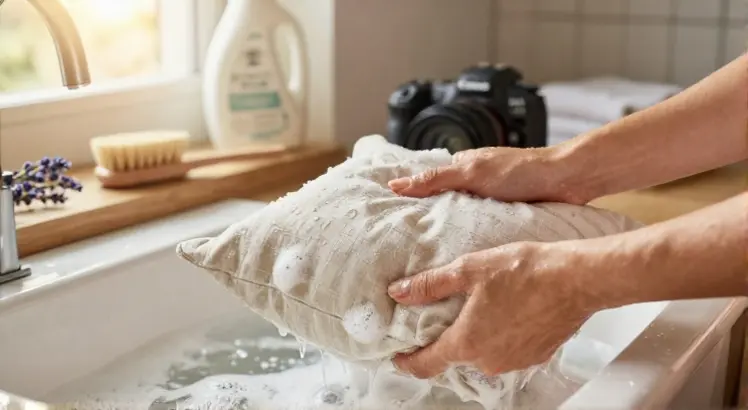
You lean against your backrest pillow every night to read, watch TV, or recover from a long day. Over time, body oils, dust, and spills build up deep within the fabric and filling. Learning how to wash a backrest pillow properly keeps it smelling fresh, maintains its shape, and extends its life significantly. Many people toss their reading pillow aside when it starts to look dingy, but a thorough cleaning can restore it to like-new condition. I will walk you through every step of the process so you can tackle this chore with total confidence.
Understanding Your Backrest Pillow Materials
Before you grab the detergent, you must identify what your backrest pillow is made of. These bulky pillows, often called husband pillows or bed rest pillows, come in a wide variety of fabrics and fillings. The material dictates the entire cleaning method, and skipping this step is the fastest way to ruin the pillow forever.
Check the manufacturer’s care tag first. It will tell you if the pillow is machine washable, hand wash only, or spot clean only. Ignoring this tag can lead to melted foam, clumped filling, or a cover that shrinks three sizes too small.
Most backrest pillows fall into two categories based on filling. Shredded memory foam pillows offer superior support but demand extra care around water exposure. Polyester fiberfill pillows are lighter, more forgiving, and generally easier to wash. The outer cover might be plush velvet, breathable cotton, cooling bamboo, or soft microsuede, and each reacts differently to heat and agitation. If the tag is missing, always err on the side of caution and choose a gentle hand washing method.
Pre-Wash Preparations You Should Never Skip
Preparation is the secret to a successful wash. Rushing straight to the washing machine often results in a partially cleaned pillow or lumps that never fluff back up. Spend five minutes on these pre-wash tasks, and you will save yourself hours of frustration later.
Remove the Cover and Treat Stains
Most backrest pillows have a removable outer cover with a zipper. Take that cover off and set it aside. You will wash it separately according to its own fabric care label. Now examine the inner pillow core for visible stains from coffee, makeup, or sweat. Apply a small amount of mild stain remover or a paste of baking soda and water directly to those spots. Work the paste in gently with a soft toothbrush, and let it sit for at least fifteen minutes before washing. This focused pretreatment stops stains from setting deeper into the fibers during the main wash cycle.
Secure All Zippers and Check Seams
If the cover is not removable, or after you have put the cover back on for washing, close every zipper completely. An open zipper will snag on other items in the machine, tear holes in the fabric, or scratch the drum. Run your fingers along all the seams to feel for loose threads or small rips. A tiny split can burst open during the spin cycle, releasing a disastrous mess of foam shreds into your washing machine and drain pipes. If you find a weak seam, hand wash the pillow instead.
How to Wash a Backrest Pillow in the Washing Machine
Machine washing is perfectly safe for many polyester-filled backrest pillows and shredded foam pillows with a durable cover. The technique matters more than the settings. Load the machine correctly, choose the right cycle, and your pillow will come out fluffy and hygienic.
- Load two pillows at once or add a few white towels to balance the drum. A single backrest pillow is heavy when wet and will throw the machine off balance during the spin cycle.
- Use a front-loading or top-loading washer without a central agitator if possible. The agitator can tear the pillow apart.
- Add a small amount of mild liquid detergent. Stay away from powdered detergents that can leave residue inside the pillow filling.
- Select the delicate or gentle cycle with cold water. Hot water can damage delicate fillings and cause the fabric cover to shrink.
- Choose an extra rinse cycle to ensure all soap suds wash out completely. Leftover detergent attracts dirt faster and makes the pillow feel stiff.
Once the cycle finishes, resist the urge to wring the pillow out. Press gently with clean towels to absorb excess water instead. Twisting the pillow will crush the filling and destroy its loft permanently.
How to Hand Wash a Backrest Pillow Safely
Memory foam backrest pillows almost always require hand washing. Submerging large foam blocks in a machine can cause them to soak up too much water and break apart. Hand washing gives you total control and protects the foam’s integrity.
Fill a clean bathtub or a large utility sink with lukewarm water. Add a capful of gentle liquid detergent and swish the water around until bubbles form. Submerge the backrest pillow and press down gently to let the soapy water flow through the filling. Do not scrub or twist the foam. Let the pillow soak for about twenty minutes, pushing down occasionally to release trapped soil.
Drain the soapy water and refill the tub with clean, cool water. Rinse the pillow by pressing and releasing it repeatedly. You will need to change the water several times until no more bubbles appear when you squeeze. Avoid lifting the waterlogged pillow by one end, as the weight can tear the foam. Support the entire pillow from below when you finally lift it out.
If you are looking for more detailed guidance on cleaning a backrest pillow, we have an in-depth resource that covers additional stain removal tricks and material-specific advice.
Spot Cleaning for Quick Refreshes
Sometimes a full wash just is not necessary. If you are dealing with a small spill or a light smudge, spot cleaning keeps your pillow fresh without the lengthy drying process. This method is also essential for backrest pillows with electronic components, built-in speakers, or filling that can never get wet.
- Mix a solution of one cup of warm water with a teaspoon of gentle dish soap.
- Dip a clean microfiber cloth into the solution and wring it out until it is barely damp.
- Blot the stained area gently, working from the outside of the stain inward to avoid spreading it.
- Rinse the area by dabbing with another cloth dipped in plain water and wrung out well.
- Blot dry with a towel and allow the spot to air dry completely before using the pillow again.
Avoid rubbing the fabric harshly during spot cleaning. Vigorous rubbing pushes the stain deeper and can cause the surface to pill or fuzz up, especially on velvety or microsuede covers.
Drying Your Backrest Pillow Without Losing Shape
Drying is the stage where most backrest pillows meet their sad, lumpy end. The right drying technique preserves the pillow’s structure and guarantees a fluffy result. You have two reliable options, and I will cover both so you can choose what works for your space.
Air Drying Method
Air drying is the safest approach for any backrest pillow, particularly those with memory foam. Lay the pillow flat on a clean, dry towel in a well-ventilated spot. Flip the pillow over every few hours to distribute the moisture evenly. Keep it out of direct sunlight, as UV rays can degrade the foam and fade the fabric. A small fan pointed at the pillow speeds up the process dramatically. Depending on humidity, air drying can take a full day or longer, but the wait is worth it for the structural safety of your pillow.
Machine Drying on Low Heat
If the care tag allows machine drying, you can use a dryer on the lowest possible heat setting. Toss a couple of clean tennis balls or wool dryer balls into the drum with the pillow. These balls bounce around and gently break up clumps of filling as they dry, restoring the original loft. Stop the dryer every twenty minutes to fluff the pillow by hand and check the progress. Remove the pillow as soon as it feels just slightly damp. Overdrying damages synthetic fibers and creates crispy, burnt edges on foam pieces.
For those who own a bed rest style with armrests, the drying process is very similar, but you must pay extra attention to the arm areas where filling tends to bunch. You can find more specific techniques in our guide on washing a bed rest pillow, which breaks down the nuances for those structured designs.
Maintaining Freshness Between Washes
A full wash does not need to happen every week. In fact, frequent washing can wear down the materials faster. Instead, adopt a few maintenance habits that keep your backrest pillow cleaner for longer stretches. These small routines make a big difference in how your pillow looks and smells day after day.
- Use a high-quality, removable pillow protector under the decorative cover. A zippered, waterproof protector blocks sweat and spills from ever reaching the core.
- Wash the removable cover every two weeks along with your regular bedding. This prevents oil and dead skin buildup right where your face and neck rest.
- Fluff the backrest pillow daily by grabbing the sides and giving it a firm shake. Shaking redistributes fill and prevents permanent dents from your back.
- Sprinkle a thin layer of baking soda over the pillow once a month. Let it sit for thirty minutes, then vacuum it off thoroughly using an upholstery attachment to neutralize odors.
- Avoid eating or drinking while leaning against your backrest pillow. Crumbs and spilled coffee are the fastest path to stubborn stains and lingering smells.
If you want to understand the broader context of general care, following these practices aligns with general pillow washing guidelines recommended by home care experts, while addressing the unique bulk and shape challenges of a backrest pillow.
Frequently Asked Questions About Washing a Backrest Pillow
Can I wash a backrest pillow that does not have a removable cover?
Yes, you can still wash it, but you must be more careful. Hand washing in a bathtub is the gentlest route for pillows without a removable cover. If the tag permits machine washing, place the entire pillow inside a large mesh laundry bag to protect the fabric from snagging. Always use the delicate cycle with cold water and an extra rinse. Drying such a pillow takes longer because the cover stays on, but the process remains the same. Be patient and give it plenty of air flow.
My shredded memory foam backrest pillow smells musty after drying. What went wrong?
A musty smell almost always means the pillow did not dry completely. Shredded foam holds onto moisture deep inside, even when the outer fabric feels dry. Stop the drying process too early, and that trapped water breeds mildew and odor. To fix it, place the pillow in a warm, airy room with a fan blowing directly over it for another full day. You can also place it in the dryer again on a no-heat air fluff cycle with dryer balls to force out the remaining dampness.
How often should I deep clean my backrest pillow?
Aim for a deep clean every three to four months under normal use. If you sweat heavily, have pets that cuddle with the pillow, or you use it every day for meals, bump that schedule up to every month or two. Washing the removable cover every couple of weeks, combined with the baking soda refresh trick, extends the time between deep cleans significantly. Your nose is an excellent guide. If the pillow smells stale despite a clean cover, it is time for a wash.
Can I use bleach to brighten a white backrest pillow cover?
Chlorine bleach is too harsh for most pillow covers, especially those made from cotton blends or bamboo fibers, as it can weaken the threads and cause yellowing over time. Instead, soak the white cover in a mixture of warm water and oxygen-based bleach alternative, following the product label for the correct ratio. Oxygen bleach lifts stains effectively without the corrosive damage of chlorine. Always rinse the cover thoroughly after soaking.
Conclusion
Knowing how to wash a backrest pillow transforms a seemingly intimidating chore into a simple, repeatable routine. Start by checking the fabric and filling, then remove or secure the cover, treat stains, and choose the washing method that matches your pillow’s needs. Air dry whenever possible, and maintain freshness between washes with a protector and regular cover cleaning. Your backrest pillow supports you through countless hours of relaxation. Returning that care with a gentle, thorough clean keeps it fluffy, supportive, and inviting for years to come.