
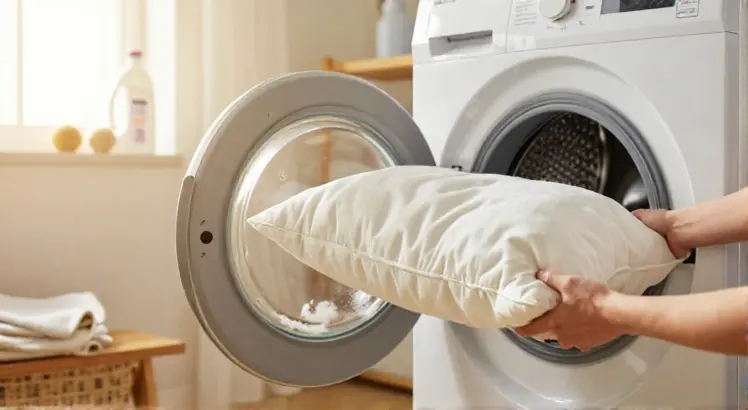
Washing a body pillow in the washer can seem intimidating because of its size and shape, but with the right approach you can get it clean, fresh, and fluffy without a trip to the laundromat. Whether you cuddle with a long memory foam pillow, a down-alternative pregnancy pillow, or a simple fiberfill bolster, a thorough wash removes sweat, dust mites, and built-up allergens that regular pillowcases cannot catch. This guide walks you through exactly how to wash a body pillow in the washer while protecting the fill and extending its life.
We will break down preparation, machine settings, detergent choices, and drying tips based on the most common fill materials. You will also find practical troubleshooting for lumps, odor, and drying challenges. By the end, you will feel confident enough to deep-clean your favorite body pillow without damaging the fabric or losing its supportive shape.
Why Properly Washing a Body Pillow Matters
A body pillow collects more than just surface dirt. Over time, body oils, dead skin cells, saliva, and pet dander work their way past the pillowcase and into the fabric cover and fill. These organic materials can feed dust mites, which may trigger allergies, asthma, or skin irritation. Washing only the pillowcase is not enough, the core needs a deep clean every few months.
Beyond hygiene, washing revitalizes loft and support. Body pillows lose their shape when fill clumps together or compresses from moisture. A proper wash fluffs fibers and prevents flat spots. For those with neck, back, or hip pain, a clean, evenly distributed pillow helps maintain spinal alignment during side sleeping or pregnancy. Neglecting care can shorten the pillow’s usable life, forcing you to replace it sooner.
Regular cleaning also eliminates musty odors that develop from humidity and night sweats. If you notice a sour smell even after airing out your pillow, it is time to wash it. Doing it the right way keeps the fabric soft, the stitches intact, and the fill evenly distributed, all without industrial laundry equipment.
Before You Begin: Check the Care Label
Start by locating the manufacturer’s care tag on the seam. This small label gives critical information about water temperature, wash cycle type, bleach tolerance, and drying instructions. Some body pillows, particularly solid memory foam models, include a tag that says “spot clean only” or “do not machine wash.” Ignoring those warnings can void warranties or ruin the structure permanently.
If the tag is missing or faded, do a quick fiber test. Gently squeeze the pillow to feel the fill. A dense, slow-rebound material that does not spring back immediately is likely memory foam, which requires hand washing or spot treatment. A pillow that feels light, bouncy, and airy usually contains polyester fiberfill or down alternative, both of which are usually safe for the washing machine when using the gentle cycle.
Always remove any removable cover and wash it separately according to its own care label. Most cotton, bamboo, or microfiber covers can handle a warm or hot wash cycle, while the inner pillow needs a more delicate approach. If the pillow does not have a removable cover, you will wash the entire piece, so treat stains beforehand and choose extra rinse cycles to remove all detergent residue.
Preparing Your Body Pillow for the Washing Machine
Proper preparation prevents tangling, uneven filling, and damage to your washer drum. First, conduct a thorough visual inspection. Look for rips, loose seams, or broken zippers. Even a tiny tear can release pounds of fill into your washing machine, causing a clogged drain and a costly repair.
If you find small holes, stitch them closed with a needle and thread before washing. Reinforce any weak spots around the zipper area. For pillows with non-removable covers, dab a drop of mild liquid detergent on visible stains and gently rub the fabric with a soft brush or white cloth. Let the spot treatment sit for 15 minutes before loading the pillow into the machine.
Balance is essential, a single body pillow can throw off the washer’s spin cycle. To prevent banging and incomplete rinsing, always add a few lightweight items like towels or sheets. Do not overload, but do not wash the pillow alone. Pairing it with two or three bath towels helps distribute weight evenly around the drum, allowing the pillow to agitate freely while keeping the machine stable. For detailed load balancing tips, we also have a guide on how to wash a fluffy pillow that shares many of the same principles.
Step-by-Step: How to Wash a Body Pillow in the Washer
1. Choose the Right Washer and Settings
A front-loading washing machine without a central agitator is ideal, because the tumbler motion is gentler on large items. If you have a top-loader with an agitator, you can still wash the pillow, but you must place it vertically around the post so it does not wrap and tear. High-efficiency (HE) machines work well if you select the bulky or bedding cycle, which uses more water and slower spin speeds.
Set the water temperature to cold or warm, never hot. Hot water can break down synthetic fibers, shrink cotton covers, and cause memory foam to deteriorate. Cold water rinses are equally effective for removing detergent and are less likely to damage elastic fibers. Choose the delicate or gentle cycle with an extra rinse option if available. A slow spin speed reduces stress on seams and prevents lumpy redistribution of fill.
2. Select the Correct Detergent
Use a mild liquid laundry detergent rather than powder, which can leave undissolved residue inside thick pillows. Add about half the amount you would use for a regular load, too many suds can get trapped in the fill and make rinsing difficult. If your pillow has yellowing or strong odors, you can add half a cup of baking soda directly to the drum, which deodorizes naturally without harsh chemicals. For a deeper look at this method, see our article on washing pillows with baking soda.
Avoid fabric softener and dryer sheets at all costs. These products coat the fibers, reducing breathability and attracting more dirt over time. For allergy sufferers, choose a fragrance-free, hypoallergenic detergent. A small amount of white vinegar poured into the fabric softener dispenser can act as a natural brightener and odor neutralizer without leaving a vinegar smell behind after the rinse cycle.
3. Add the Pillow and Balance the Load
Place the pillow into the washer first, shaping it into a slight curve to fit the drum. Then lay two or three towels evenly around it. Avoid bunching everything into one spot. Proper spacing allows water and detergent to circulate through every part of the pillow, preventing soap pockets that later cause skin irritation.
Start the cycle and let the machine fill completely before you walk away. If you hear loud thumping during the spin cycle, pause the machine and rearrange the towels to counterbalance the load. This small step can save your washer’s suspension and keep the pillow from twisting into a heavy, waterlogged knot. Always run an extra rinse cycle to ensure every trace of soap is washed out of the dense fill.
4. Drying the Body Pillow Properly
Air drying is the safest method, but it requires patience. Squeeze out excess water gently, never wring or twist the pillow, and lay it flat on a clean drying rack in a well-ventilated area. Flip the pillow every few hours and fluff it by hand to break up damp clumps. On a sunny day, indirect outdoor light speeds up drying and naturally sanitizes the fabric, though direct sun can fade colors.
If the care label allows machine drying, use the lowest heat setting possible. Toss a couple of clean tennis balls or dryer balls into the drum to beat the pillow gently and keep the fill from compacting. Stop the dryer every 30 minutes to manually fluff and reposition the pillow, checking for any damp spots deep in the center. A pillow that feels dry on the surface can still be wet inside, which leads to mildew.
Whether air drying or machine drying, the pillow must be completely dry before you put a fresh pillowcase on. Any retained moisture will breed mold and cause a sour, unpleasant smell that is hard to reverse. For extra loft, give the pillow a few firm shakes and karate chops once it is fully dried to redistribute the fill evenly.
Special Care for Different Fill Materials
Memory Foam Body Pillows
Solid memory foam or shredded memory foam pillows should never go into a washing machine with a full immersion cycle. Water saturates memory foam, breaking down its cellular structure and making it almost impossible to dry completely. Instead, spot clean with a damp cloth and mild soap, then press with a dry towel to absorb moisture. You can lightly mist the surface with a spray made of equal parts water and white vinegar to deodorize, then air thoroughly.
If your memory foam pillow has a removable cover, toss only the cover into the washer on a gentle cycle with cold water. The foam core should be placed in a well-ventilated room with a fan circulating air around it for several hours. Some shredded foam pillows claim to be washable, but the risk of clumping and residue buildup often outweighs the benefit. Always default to the care label.
Down and Feather Body Pillows
Down and feather pillows are generally safe to machine wash, but they demand extra caution. Use cold water and a gentle cycle with a down-specific or mild liquid detergent. Run at least two extra rinse cycles to remove all soap, because residue can cause feathers to clump and lose their insulating loft. Drying is the most critical phase, down takes a long time to dry, so use a low heat setting and patient, regular fluffing.
Add wool dryer balls to the dryer and check the pillow every 20 minutes. If you detect even a faint dampness, continue drying. A musty down pillow is almost impossible to salvage. A properly washed and dried feather pillow should smell fresh like clean laundry and feel evenly puffy with no hard quills poking through the fabric.
Polyester Fiberfill Body Pillows
Polyester fiberfill is the most forgiving material for machine washing. These pillows can tolerate warm water and a regular gentle cycle without losing shape. Still, avoid hot water and high spin speeds. Fiberfill dries relatively quickly, but it can become flat if you skip the fluffing intervals during the drying process. Using dryer balls helps beat the fibers back into a lofty state, restoring the pillow’s original plumpness.
If the pillow has a sewn-through box construction, check that the stitching holds up after the wash. Loose threads can be trimmed and reinforced before the next cycle. For best results, wash polyester pillows every two to three months, or whenever they start to look deflated or smell less than fresh. Following our guide on how to wash a backrest pillow offers additional reinforcement for tricky shapes, as those pillows often share similar fill.
Common Mistakes to Avoid When Washing a Body Pillow
- Using too much detergent, excess suds get trapped in fill and cause skin irritation.
- Washing on a heavy-duty or high-spin cycle, which stresses seams and creates permanent lumps.
- Skipping the extra rinse, leftover soap attracts dirt and leads to a stiff, scratchy texture.
- Drying a damp pillow fully encased in a pillowcase, this traps moisture and encourages mildew.
- Ignoring a small tear, even a tiny hole can release thousands of fibers into the machine.
- Adding bleach to colored covers, which weakens fabric and causes irreversible discoloration.
- Wringing or twisting the pillow to remove water, which can rupture internal baffles and ruin fill distribution.
Beyond these points, remember that a body pillow is a sizable investment in your comfort. Rushing the drying process is the most common error, so set aside ample time so the pillow can dry at its own pace. When in doubt, air dry for an extra day rather than risk mildew. For more guidance on tackling stubborn odors without overwashing, check resources like The Spruce’s expert guide on washing body pillows.
Frequently Asked Questions
Can I put a body pillow in the washing machine?
Yes, most fiberfill, down alternative, and feather body pillows can go in the washing machine if you use a gentle cycle and cold water. Always check the care label first. Memory foam pillows should never be submerged in water but can be spot cleaned and aired out. If your pillow does not have a removable cover, wash the entire pillow using a delicate cycle with an extra rinse.
How often should you wash a body pillow?
Aim to wash your body pillow every two to three months. If you sweat heavily at night, have pets that sleep on the bed, or suffer from allergies, wash it monthly. Between washes, fluff the pillow daily and air it out in sunlight to keep it fresh. Using a protective, zippered pillow cover under the main pillowcase also extends the time between deep cleans.
Can I wash a body pillow with other laundry?
Yes, you should wash a body pillow with a few lightweight towels or sheets to balance the load. Avoid washing it with heavy jeans, blankets, or items with zippers and hooks that can snag the fabric. The goal is to prevent the machine from going off-balance during the spin cycle, which can damage both the washer and the pillow.
How do you wash a body pillow without a removable cover?
If the cover is sewn shut and made of a durable cotton or poly-blend fabric, you can wash the entire pillow in the machine. Pre-treat visible stains with a small amount of liquid detergent, then use a gentle cycle with cold water and extra rinses. Dry it thoroughly, checking the center for any lingering dampness every hour. For delicate fabrics like silk or velvet, spot cleaning is safer than immersion.
What temperature should I wash a body pillow?
Always use cold or warm water, not hot. Cold water is safe for all pillow types and effective at removing everyday dust and light soil. Warm water can be used for cotton covers and polyester fill if the label approves, but it increases the risk of shrinking or damaging elastic fibers. Hot water should be avoided entirely because it degrades synthetic fill and can set protein-based stains in feather pillows.
Conclusion
Knowing how to wash a body pillow in the washer puts you in control of your sleep hygiene and extends the life of a pillow you rely on night after night. Start with a careful label check, select a gentle cycle with cold water, use a mild detergent sparingly, and never rush the drying process. By adding a couple of towels for balance and running an extra rinse, you can avoid the most common mishaps, such as lumpy fill, lingering soap, and mildew.
Your body pillow works hard to support your hips, back, and shoulders, so return the favor by giving it a proper clean every season. With these steps, you will enjoy a fresh, fluffy, allergen-free pillow that cradles you comfortably for months to come. If you ever forget a detail, revisit this guide and take your time, the result is always worth the effort.