
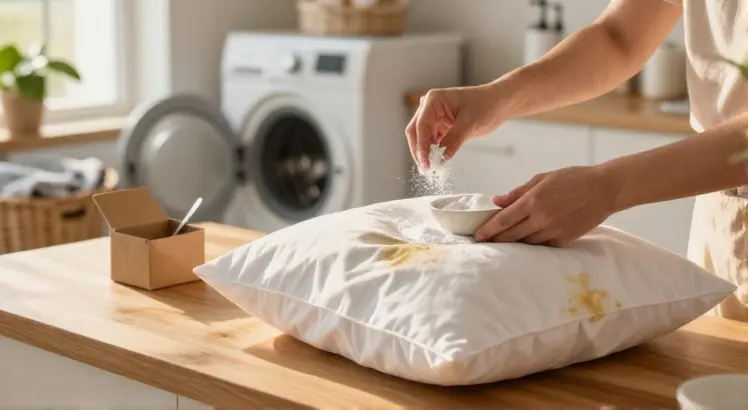
When pillows start to smell stale or turn yellow from sweat, it can feel tempting to toss them out and buy new ones. But there is a simple, affordable solution hiding in your kitchen cupboard. Learning how to wash pillows with baking soda is one of the most effective ways to revive dingy, musty pillows without harsh chemicals. Whether you deal with night sweats, pet dander, or just everyday dust, baking soda tackles odors, gently lifts stains, and leaves your bedding smelling surprisingly fresh.
You might have tried ordinary laundry detergent only to find the smell lingers or the pillow loses its shape. Baking soda works differently. It neutralizes acidic odors at the source while acting as a mild abrasive that helps break down greasy residue. Throughout my years of testing pillow care methods, I have found this to be the gentlest, most reliable trick that works across many pillow types, from memory foam to down alternative.
In this guide, I will show you exactly how to wash pillows with baking soda using a washing machine, a hand wash method, and even a quick spot cleaning approach. You will also learn how to adjust your technique depending on the fill material, so you never end up with a lumpy, ruined pillow. Let us get your pillows back to their fluffy, hotel-fresh best.
Why Use Baking Soda to Wash Pillows
Baking soda, or sodium bicarbonate, is a natural mineral compound that does far more than help cookies rise. When used in laundry, it acts as a deodorizer, a gentle scouring agent, and a pH balancer. Understanding these properties helps explain why it works wonders on pillows that absorb nightly moisture, body oils, and dead skin cells.
- Breaks down acidic odor molecules instead of just masking them
- Softens hard water minerals, making your detergent more effective
- Lifts yellow sweat and drool stains without damaging delicate fibers
- Helps reduce dust mites and bacteria when combined with hot water
Many commercial pillow sprays only cover up smells temporarily. Baking soda actually absorbs and neutralizes them. This is especially helpful if you have allergies or asthma, where a buildup of dust mites can trigger symptoms. You can even use baking soda between washes to keep pillows fresh, a topic I cover in detail in our article on how to keep pillows smelling fresh without washing.
Preparing Pillows for a Baking Soda Wash
Before you start sprinkling baking soda everywhere, a little preparation goes a long way. First, always check the care label on your pillow. Some pillows, especially solid memory foam or those with electronic components, can never be submerged in water. For those, I will share a dry cleaning method later. For washable pillows, you want to remove pillowcases and protectors and give the pillow a quick once-over.
Look for any tears, loose seams, or clumped filling. If you find a small rip, sew it up before washing, or the stuffing may escape and create a mess in your machine. For feather or down pillows, inspect the ticking fabric very carefully, as even a tiny hole can release a blizzard of quills. Next, take the pillow outside and give it a good shake or a few gentle whacks to dislodge loose dust and surface debris. This step reduces the load on your washing machine and helps the baking soda penetrate deeper.
How to Wash Pillows with Baking Soda in the Washing Machine
The washing machine method is the most thorough way to deep clean pillows. It works best for polyester, down alternative, cotton, and feather pillows. You want to wash two pillows at a time to keep the machine balanced. If you only have one, add a couple of clean towels to balance the load.
Step by Step Machine Wash Instructions
- Select the gentle or delicate cycle with warm water, not hot. Hot water can damage some fills and set protein-based stains.
- Pour your usual amount of mild liquid detergent directly into the drum. Avoid powdered detergents that may not dissolve fully.
- Add half a cup of baking soda to the drum, not the dispenser drawer. This ensures it spreads evenly through the wash water.
- Optionally, add half a cup of white vinegar to the fabric softener compartment. Vinegar boosts the brightening effect and removes any soap residue.
Run the full cycle, then set an extra rinse. You want every trace of baking soda and detergent to rinse away, as leftover particles can make pillows feel stiff. After the rinse, run a slow spin cycle to extract as much water as possible without crushing the pillow. Heavy, waterlogged pillows take forever to dry and are at risk of developing mildew.
Important Machine Wash Tips
Never use fabric softener or dryer sheets during the wash. These coat the fibers and reduce breathability, trapping moisture against your face at night. Also, avoid bleach even for white pillows unless the care label explicitly says it is safe. Baking soda and sunlight are stellar natural brighteners that are far less damaging.
If you are washing a large body pillow, the process is similar but requires more attention to balance and drying. For detailed steps, check our guide on how to wash a body pillow in the washer.
How to Hand Wash Pillows with Baking Soda
Some pillows cannot handle the agitation of a machine. Memory foam, latex, and buckwheat pillows fall apart if submerged and spun. Even some luxury down pillows fare better with a gentle hand wash. This method takes a little more elbow grease but gives you complete control.
Hand Washing Steps
- Fill a bathtub or a large utility sink with lukewarm water. Add one tablespoon of gentle liquid detergent and half a cup of baking soda.
- Submerge the pillow and allow it to soak for at least 30 minutes. For heavily soiled pillows, you can soak for up to an hour.
- Gently massage the pillow with your hands, squeezing soapy water through the filling. Do not wring or twist, which can tear internal baffles.
- Drain the soapy water and refill with clean, cool water. Press and squeeze repeatedly until the water runs clear and no more suds appear.
Removing all the soap and baking soda is critical during the rinse stage. Any leftover residue can attract dirt later and make the pillow feel crusty. After rinsing, press out as much water as you can by sandwiching the pillow between clean, dry towels and pressing down firmly. Never wring it out.
Spot Cleaning and Deodorizing with Baking Soda
You do not always need a full wash. If you notice a small yellow spot or a faint musty smell, a targeted spot treatment often solves the problem without the hassle of drying a giant pillow. This method is ideal for pillows marked “dry clean only” or for solid memory foam.
Baking Soda Paste for Stains
Mix three parts baking soda with one part water to form a thick paste. You can also swap water for hydrogen peroxide for tough protein stains, but test an inconspicuous area first to ensure it does not bleach the fabric. Apply the paste directly to the stained area with a soft toothbrush, working in gentle circles. Let it sit for 20 minutes, then wipe away with a damp white cloth. Repeat if needed, and allow the pillow to air dry completely before use.
Dry Deodorizing Sprinkle
For a quick refreshing treatment, set the pillow in a sunny spot outdoors, sprinkle a light layer of dry baking soda over the entire surface, and let it sit for a few hours. The sun’s UV rays help kill bacteria while the baking soda absorbs odors. Afterward, vacuum the pillow thoroughly with an upholstery attachment to remove all powder. This trick is safe for nearly all materials and takes almost no time.
Drying Pillows After a Baking Soda Wash
Proper drying matters just as much as the wash itself. A pillow that stays damp inside for too long can grow mold and mildew, creating more odor problems than you started with. The drying method depends entirely on the fill material.
- Down and feather pillows: Tumble dry on low heat with two clean tennis balls or wool dryer balls. The balls bounce around and break up clumps, restoring loft. Stop the cycle every 30 minutes to fluff the pillow by hand and check for moisture.
- Synthetic and down alternative pillows: Dry on medium heat with dryer balls. These dry faster than down but can still hold moisture in the core.
- Memory foam and latex pillows: Never put in a dryer. Blot with towels and then lay flat on a drying rack in a well-ventilated room, flipping every few hours. Direct sunlight is okay, but avoid placing them directly on a radiator or heater vent.
If your pillow smells sour after drying, that is a sign that mildew started to form during the slow dry. You can try sprinkling more baking soda and airing it in full sun, but often it is safer to replace a mildewed pillow. A top-loading machine with an agitator can sometimes rip delicate pillow covers, so always refer to proper pillow laundering techniques from trusted household resources for extra guidance.
Pillow Types and Special Considerations
Different fills react to baking soda and water in unique ways. Getting the details right can mean the difference between a pillow that lasts five more years and one that turns into a pancake after one wash.
Memory Foam Pillows
You should never soak a solid memory foam pillow. The foam acts like a sponge, trapping water deep inside where mold can grow unseen. Instead, use the spot cleaning paste method or the dry baking soda sprinkle. To freshen between deep cleans, vacuum the pillow and spritz lightly with a solution of water and a few drops of essential oil, then let it air dry.
Down and Feather Pillows
High-quality down pillows can handle machine washing with baking soda beautifully if you use a gentle cycle and dry them aggressively. The biggest danger is storing a down pillow before it is bone-dry. The center can hold a surprising amount of water. Keep drying until you cannot feel any cool spots, even if it takes two or three full cycles.
Polyester and Down Alternative
These are the most forgiving pillows to wash with baking soda. They tolerate warm water, spin cycles, and medium dryer heat without much fuss. The one caution is clumping. Fluff them manually several times during the drying cycle and use dryer balls to keep the fiberfill evenly distributed.
Buckwheat and Millet Pillows
You cannot wash the hulls themselves. Instead, empty the hulls into a large breathable bag and set them in the sun with a sprinkle of baking soda, shaking them occasionally. Wash the empty pillow casing according to its fabric care label. Reassemble once everything is fully dry. This method maintains the support and keeps the hulls from absorbing moisture.
Frequently Asked Questions About Washing Pillows with Baking Soda
Can I mix baking soda with my regular laundry detergent?
Yes, and it is actually recommended. Add your liquid detergent as you normally would and pour half a cup of baking soda directly into the wash drum. The two work together to clean and deodorize without canceling each other out. Avoid mixing baking soda with bleach, though, as the combination can release harmful fumes.
Will baking soda make my pillows stiff or scratchy?
Only if you do not rinse thoroughly. Baking soda is water soluble and should wash away completely during the rinse cycle. If your pillow feels stiff after drying, it usually means detergent or baking soda residue remains. Fluff the pillow vigorously and consider running it through a rinse-only cycle next time.
How often should I wash pillows with baking soda?
Aim for a deep clean every three to four months. Between washes, you can sprinkle baking soda over the bare pillow, let it sit, and vacuum it off once a month to maintain freshness. If you have allergies, you might benefit from washing every two months. Using protective zippered covers under your regular pillowcase also stretches the time between full washes.
Is baking soda safe for colored or patterned pillows?
Generally, yes. Baking soda is very mild and does not cause dyes to run like chlorine bleach can. However, always test a small hidden patch with the paste method if the pillow has vibrant prints or delicate silk covers. For peace of mind, use cool water with baking soda to further protect colors.
Conclusion
Bringing old pillows back to life does not require expensive specialty products. Once you understand how to wash pillows with baking soda properly, you unlock a low-cost, high-impact routine that removes stubborn smells, yellowing, and allergens. The key is matching your wash method to the pillow type, never skipping a thorough rinse, and drying with patience until every bit of moisture is gone.
Start with one pillow today using the machine wash steps above. Notice how much fresher your bed feels that very night. Then fold this method into your seasonal cleaning schedule. Your pillows will last longer, smell cleaner, and give you a healthier sleeping environment. And when you need a quick refresh between deep cleans, remember that a little baking soda and sunshine can work wonders without any water at all.