
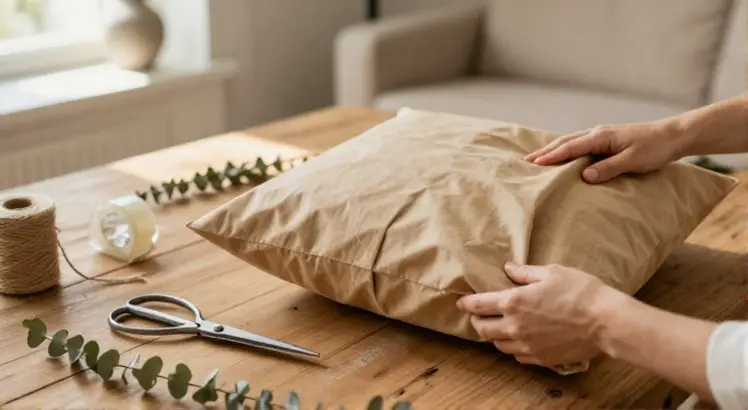
Wrapping a pillow with paper can feel like trying to fold a cloud into a crisp envelope. The soft filling shifts, the corners refuse to stay sharp, and ordinary gift wrap often tears under the pressure. But learning how to wrap a pillow with wrapping paper is a skill that turns a simple bedding item into a stunning present. This guide shows you exactly how to create a clean, professional-looking finish, no matter the pillow shape or size.
Whether you are preparing a thoughtful birthday surprise or dressing up a decorative throw for the holidays, a beautifully wrapped pillow makes a memorable impression. The key lies in the right materials, precise measurements, and a few clever folding tricks. You do not need to be a crafting expert to master this technique. With patience and the step-by-step instructions below, you will wrap pillows with confidence and zero frustration.
Tools and Materials You Need
Gathering the essentials before you start saves time and prevents ripped paper. For most pillow wrapping projects, you will need a handful of simple supplies that you probably already have at home.
- Wrapping paper: Choose thick, high-quality paper. Standard flimsy sheets tear easily and show every lump. Wrapping paper with a weight of at least 80 gsm works best for pillows.
- Double-sided tape: This is the secret to invisible seams. If you only have regular transparent tape, use it on the back side only so it stays hidden.
- Sharp scissors: Clean cuts are essential for neat edges. Dull scissors create jagged lines that look messy.
- Ruler or measuring tape: Soft pillows are deceiving. Measuring ensures you cut the right amount of paper.
- Bone folder or the edge of a credit card: This helps you create crisp folds without damaging the paper.
- Ribbon, twine, or a decorative bow: These cover any minor imperfections and add a polished touch.
If you plan to wrap a pillow as a present for a special occasion, avoid glitter-heavy paper. The sparkles can shed onto the fabric and get trapped in the pillow fibers. Kraft paper with a simple pattern is always a safe and elegant choice.
Measuring the Wrapping Paper for a Soft Pillow
Incorrect measurements are the number one reason pillow wrapping fails. Pillows are thick and fluffy, so you need more paper than you initially think. A good rule is to measure the pillow’s circumference and length, then add an extra three to four inches for overlap and folding.
Place the pillow flat on a clean surface. To find the width of the paper, wrap a flexible tape measure around the pillow’s widest part, from the front centre, around the side, to the back centre. Multiply this measurement by 1.5 to give yourself generous flaps on both sides. For the length, measure the pillow from end to end and add double the thickness of the pillow plus two inches for the end folds.
If you are using patterned paper, take a moment to check the alignment. Centre the design so the main motif sits exactly where you want it on the front face of the pillow. A crooked pattern is instantly noticeable, even with a perfect fold.
Step-by-Step: How to Wrap a Pillow with Wrapping Paper
Now that your paper is cut to size, you can start the actual wrapping process. This classic flat wrap method works for rectangular, square, and gently rounded pillows. Follow each step slowly, and you will get a finish that resembles a high-end gift box.
Step 1: Prepare the Pillow and Paper
Remove any dust or loose threads from the pillow fabric. Dust particles can create tiny bumps under the paper, ruining the smooth surface. Lay the wrapping paper face down on a large table or clean floor. Place the pillow in the centre of the paper, with the pillow’s front side facing down onto the printed side. This orientation means the seam will end up on the back of the wrapped pillow.
Fluff the pillow gently to ensure it fills the paper casing evenly. A deflated, squashed pillow will look lumpy once wrapped. If the pillow has a removable cover, you can press it lightly with a cool iron before starting, but never apply heat directly to a pillow filled with memory foam or synthetic fibres.
Step 2: Bring Up the Long Sides and Secure
Pull one long side of the paper up and over the pillow, keeping the paper taut but not stretched. Attach a small piece of double-sided tape near the centre of the edge. Bring the opposite side up, pulling it tightly so the paper hugs the pillow securely. Overlap the second edge onto the first and press it down firmly on the tape. You should now have a clean, seamless join on the back of the pillow.
If the pillow is particularly plump, you might need a second pair of hands to hold the paper steady while you tape. For solo wrapping, use a flat weight like a book to hold one end temporarily while you work on the other.
Step 3: Fold the Ends Like a Gift
Stand the pillow up on one end. The paper will protrude like open wings. Press the left and right sides inward to create triangular flaps, just as you would when wrapping a box. Iron the creases with the bone folder or the edge of a credit card. These sharp creases define the professional look.
Fold the top flap down and tape it securely. Then fold the bottom flap up and tape it in place. The goal is to create a flat, tidy end with no bulky paper bunching at the corners. Repeat this process on the other end of the pillow. At this stage, your pillow should look like a neatly wrapped gift box, not a crumpled ball.
For an even cleaner appearance, you can trim any excess paper before folding the flaps, leaving only about an inch for the final fold. This small adjustment reduces bulk and makes the ends much easier to handle.
Wrapping a Pillow Without Creases: Pro Tips
Creases and wrinkles are the biggest giveaway of an amateur wrap job. Following a reliable gift-wrapping tutorial will remind you that gentle tension is your best friend. Pull the paper just enough to remove slack, but never yank it. Over-stretching creates ugly white stress lines and can tear the paper at the corners.
Use the bone folder on every crease, even the small ones. If you do not have a bone folder, the flat side of a butter knife works well, provided you use a light touch. Smooth the paper from the centre outward to push out any trapped air. Pillows are soft, so air pockets form easily. Work slowly and keep the paper in constant contact with the fabric.
When wrapping a pillow with a removable cover, unzip it slightly and press the cover flat against the filling before wrapping. This reduces internal air volume and helps the paper hug the shape more closely. Just remember to zip it back up before finishing the ends.
Creative Finishing Touches for a Pillow Gift
Once the packaging is clean and tight, it is time to add personality. A beautifully tied ribbon hides the back seam and instantly frames the gift. Satin ribbons look elegant, while jute twine gives a rustic, farmhouse feel. For a truly polished result, cross the ribbon on both the length and width, creating a crisp intersection on the front.
You can also attach a small embellishment like a sprig of dried lavender, a wooden gift tag, or a handmade ornament. These details distract the eye from any tiny imperfections in the folds. If you are wrapping for a festive occasion, festive wrapping techniques for pillows suggest using double-faced paper with a contrasting inside pattern for an extra pop of colour at the ends.
For a no-tape decorative approach, wrap a wide fabric ribbon around the entire pillow and tie a large bow. The ribbon holds the paper in place and becomes a focal point. This method works especially well for throw pillows that are part of a home decor gift set.
Alternative Wrapping Methods for Odd-Shaped Pillows
Not every pillow is a standard rectangle. Bolsters, neck pillows, and body pillows have curved profiles that fight flat paper wraps. The trick is to use the “candy wrapper” technique. Instead of folding crisp box ends, gather the excess paper at both ends and tie them with ribbon, just like a giant sweet.
For long body pillows, lay the pillow diagonally on the paper. Fold the sides over the middle and seal with double-sided tape. Then pleat the ends by fan-folding the paper outward and securing each pleat with a small piece of tape. This approach turns an ungainly piece into a chic, structured package. You can also check our detailed guide on gift-wrapping a pillow for more creative solutions for tricky shapes.
If the pillow is extremely soft and refuses to hold a shape, insert a piece of sturdy cardboard at the back before wrapping. The cardboard acts as a flat backing panel, giving the paper something to grip. Choose a piece slightly smaller than the pillow so it remains hidden once the ribbon goes on.
Common Mistakes When Wrapping Pillows and How to Avoid Them
Even careful wrappers can stumble on a few predictable hurdles. Recognizing these in advance keeps your project on track and saves time.
- Using paper that is too small: Pillows are thicker than they look. Always measure the pillow’s plumpest part and add at least four inches of overlap. Short paper leads to exposed pillow corners.
- Skipping double-sided tape: Visible tape strips ruin the elegant finish. Keep all adhesive on the inside or back.
- Pulling paper too tight over a soft fill: This causes the paper to tear at stress points. Let the pillow hold its natural volume while you wrap loosely at first, then gently tighten.
- Neglecting to press creases: Round, undefined edges make the gift look rushed. Two extra minutes with a bone folder will give your wrap a tailored, high-end appearance.
- Forgetting the gift tag: Once the pillow is wrapped, it can be impossible to tell which side is the front. Tie the tag on immediately so the recipient knows how to display it.
If you make a small tear, do not panic. Cover it with a decorative sticker, a larger gift tag, or by layering a piece of contrasting paper over the damaged area as an intentional accent.
Frequently Asked Questions
Can I use any wrapping paper for a pillow?
You can use most gift wrapping papers, but thicker paper is better. Thin, tissue-like paper will tear easily on the padded surface. Recycled kraft paper, medium-weight gift wrap, and even brown postal paper work wonderfully. Avoid paper with heavy glitter, as it can shed and irritate skin when the pillow is used.
What is the easiest way to wrap a pillow without tape?
Use the candy wrapper method with fabric ribbon or twine. After centering the pillow on the paper, gather the paper at both ends and tie tightly with ribbon instead of folding. This eliminates the need for adhesive and creates a charming, rustic look. For a more traditional finish, you can also use a fabric wrap technique inspired by Furoshiki.
How do I wrap a pillow that is too soft to hold its shape?
Slide a piece of lightweight cardboard or a firm placemat inside the wrapping paper behind the pillow. This backing provides structure and prevents the paper from collapsing into the soft filling. Once the ribbon is tied, you cannot see the cardboard, and the pillow holds a perfect shape on display.
Can I wrap a pillow in tissue paper before using wrapping paper?
Yes, and doing so offers multiple benefits. A layer of white tissue paper protects the pillow fabric from any dye transfer from coloured gift wrap. It also adds volume, which helps keep the outer paper smooth. Just make sure the tissue layer is neat and wrinkle-free before adding the decorative paper.
Is it possible to wrap a pillow in wrapping paper without a bow?
Absolutely. If you prefer a minimalist look, double-sided tape and crisp folds are enough to create a sleek, modern package. You can finish the wrap with a simple monogram sticker or a sprig of greenery tucked under a single flat ribbon. The key is precision, the cleaner the seams, the less you need adornment.
Conclusion
Learning how to wrap a pillow with wrapping paper transforms an everyday item into a gift that feels considered and luxurious. With the correct paper weight, careful measurements, and the patience to press each fold, you can produce results that rival professional gift wrapping services. Remember to let the pillow’s natural shape guide your technique, and never force a rigid box wrap onto a soft, pliable form.
Next time you have a pillow to give, set aside twenty minutes and follow the steps you have learned here. Your wrap will be smooth, crease-free, and truly beautiful. And if you want to explore more specialized wrapping methods, revisit the guides on this site for holiday themes and unusual pillow shapes. The right finishing touch makes all the difference between a simple gift and a memorable one.