
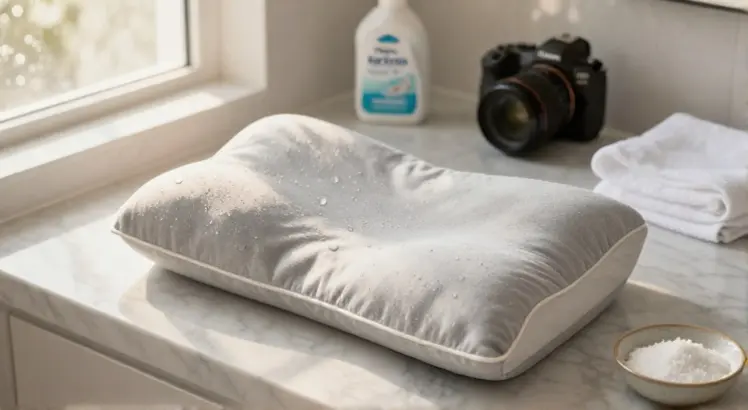
Knowing how to wash a travel pillow properly is essential for your health and comfort on the road. Your trusty neck pillow absorbs sweat, drool, body oils, and dirt from countless bus seats, airplane cabins, and luggage compartments. Ignoring the care label can turn your comfort item into a breeding ground for bacteria, which might cause breakouts or unpleasant odors. The cleaning method largely depends on the fill material, whether it is memory foam, polyester fiber, microfiber, or inflatable plastic. This guide provides a detailed, step-by-step breakdown for every major type of travel pillow, ensuring you can rest easy without worrying about hidden grime.
Before you toss your cushion into the washing machine, you need to perform a crucial pre-wash assessment. Rushing into cleaning without checking the material type can ruin the structural integrity of the foam or burst the microbead compartments. With proper care and the right approach, you can restore your pillow’s loft, eliminate sweaty smells, and extend its lifespan significantly. Let’s dive into the correct techniques for machine washing, hand washing, and spot cleaning different travel pillow materials.
Identifying Your Travel Pillow Material
The very first step in learning how to wash a travel pillow is identifying the fill. Unlike standard bed pillows, travel pillows come in a wide variety of shapes and proprietary materials, each reacting differently to water and agitation. You cannot wash a solid memory foam core the same way you wash a polyester fiberfill pillow. Check the care tag sewn into the seam of the pillow, sometimes hidden inside the zippered cover. If the tag is missing, use the physical characteristics of the pillow to determine its type.
- Memory Foam: Feels dense, slowly bounces back when pressed, and provides firm support. Waterlogging can destroy this material.
- Microbead: Contains tiny, free-moving polystyrene balls. It feels slightly crunchy or fluid. Never machine wash this type unless the beads are secured in a separate, sealed inner liner.
- Polyester Fiberfill: Feels soft, fluffy, and springy, similar to a standard cheap bed pillow. This is the most durable and washable type.
- Inflatable: Made of plastic or rubber. Do not put this in a dryer under any circumstances.
- Gel or Hybrid: Often contains a layer of cooling gel. These usually require cold water washing to prevent the gel from breaking down.
Step-by-Step: How to Wash a Travel Pillow in a Machine
If you have a polyester fiberfill travel pillow, machine washing is the fastest and most effective sanitation method. However, you must protect the fibers from aggressive agitation that causes clumping. Always remove the outer cover if it has a zipper, and wash them separately if the tag allows. Securing the pillow properly inside the drum will prevent the machine from becoming unbalanced during the spin cycle. The goal is a deep clean without breaking down the plushness of the fill.
Pre-Treatment and Setup
Start by giving the pillow a quick vacuum with an upholstery attachment to suck up loose dust and skin flakes. After vacuuming, examine the surface for yellow sweat stains or makeup residue. Create a pre-treatment paste using baking soda and a small amount of water, and gently rub it onto the stained areas using a soft brush. Let this paste sit for 15 minutes before loading the pillow into the machine. This breaks down facial oils that standard detergent alone might miss.
Machine Washing Techniques
When learning how to wash a travel pillow in a machine, balance is the key word. A single, waterlogged pillow can throw off a top-loading washer’s spin cycle, potentially damaging the machine. You can solve this by washing two pillows at once or adding a few clean towels to the drum to balance the weight. Always use the delicate or gentle cycle with warm water, as hot water can melt the synthetic fibers. Use a small amount of mild liquid detergent, never powder, which can fail to dissolve completely and leave gritty residue inside the cushion.
Select an extra rinse cycle if your machine offers that option. Travel pillows are dense, and soap residue trapped inside can attract more dirt later or irritate sensitive neck skin. For a natural antibacterial boost, add half a cup of white vinegar to the fabric softener dispenser. The vinegar acts as a fabric softener and a mold-killer, but it will not leave a lasting scent once dried. Avoid bleach at all costs, as it weakens the polyester threads and causes yellowing rather than whitening.
Drying Without Damage
Drying a fiberfill pillow incorrectly can result in a lumpy, useless rag. Transfer the pillow to the dryer immediately after the wash cycle ends to prevent mildew growth. Set the dryer to a low-heat or air-fluff setting. High heat melts the synthetic polyester fibers, causing irreparable hardening and flat spots. Toss in two or three clean tennis balls or wool dryer balls. These physical buffers bounce around the drum, physically beating the clumps of wet polyester apart and restoring the fluffy loft.
Every 20 minutes, pause the cycle and manually fluff the pillow by hand, pulling the fill apart from the outside if you feel large wet clumps. Do not remove the pillow until it is bone dry. Even a slight amount of internal dampness can fester into a musty smell that is incredibly difficult to remove later. If the pillow smells neutral, feels fully lofted, and has no cool damp spots, the machine washing process is a success.
How to Wash a Travel Pillow Made of Memory Foam
Memory foam is not like standard fill. You must never submerge a solid memory foam core in water, and you must never put it in a dryer. The cellular structure of memory foam acts like a massive sponge, soaking up massive amounts of water that are physically impossible to wring out without tearing the material. Washing machines shred the delicate foam matrix, and the dryer’s heat bakes it into a brittle shell. If you soak a memory foam pillow, you risk inviting mold to grow inside the core, which you cannot see until it begins to smell sour.
The Right Way to Clean Foam
The correct method for how to wash a travel pillow with memory foam is actually a dry or damp cleaning process. Strip off the protective cover and wash that according to the tag, leaving the raw foam core exposed. Fill a spray bottle with cool water and a single drop of mild laundry detergent, and shake it well. Do not soak the foam. Instead, lightly mist the surface of the pillow, focusing on the headrest area where the yellow sweat stains accumulate.
Use a soft microfiber cloth to gently blot and rub the misted areas in a circular motion. You will see the grime transferring from the foam to the cloth. Immediately follow the detergent mist with a second mist of plain cool water to rinse. Blot away the moisture relentlessly with a dry, clean towel to extract as much liquid as possible. Sprinkle a layer of baking soda over the entire pillow and let it sit for several hours to wick out remaining moisture and odors. After the baking soda has caked, vacuum it off completely with an upholstery brush.
Washing Microbead and Inflatable Pillows
Microbead pillows require extreme caution. Those tiny beads can escape through the tiniest hole, and once loose in your washing machine, they will clog the drain pump and filter. If the microbeads are loose inside the main pillow cover, never submerge the pillow. Instead, spot clean the outer fabric using a damp cloth and a small amount of upholstery cleaner foam. Scrub gently to avoid abrading the thin fabric that holds the beads captive.
Inflatable pillows are the easiest to clean because they have no absorbent fill. Mix warm water with a drop of dish soap, dampen a rag, and wipe down both sides of the plastic. Pay extra attention to the mouth valve, which can harbor black mold if saliva dried inside it. Rinse the rag with clean water and wipe the pillow down again to remove soap film. Dry it immediately with a towel to prevent water from seeping into the valve mechanism.
Removing Stubborn Odors and Stains
Even after you master how to wash a travel pillow, persistent airplane or bus odors might linger. Synthetic materials trap fatty acids from human sweat, which turn rancid over time. To break down these biological residues, a deeper enzyme treatment is often necessary. Enzymatic laundry boosters, often sold in the pet stain aisle, are surprisingly effective on human sweat and drool stains because they literally digest the organic matter causing the smell.
- Sunlight Sanitation: Ultraviolet rays are a powerful natural disinfectant. After washing, let your pillow sit in direct sunlight for a few hours. Fresh air and heat help burn off volatile organic compounds causing the smell.
- The Vodka Method: For memory foam that cannot be washed, fill a spray bottle with cheap, unflavored vodka. Lightly mist the core. As the alcohol evaporates, it carries the odor molecules away with it. This leaves no residual scent.
- Baking Soda Soak: Seal the dry pillow in a large plastic bag with a generous coating of baking soda for 24 hours. The powder absorbs oils and neutralizes acidic smells.
Maintaining Cleanliness Between Trips
The best way to learn how to wash a travel pillow is to minimize the need to do it frequently. A high-quality, machine-washable pillowcase is your first line of defense. Consider buying a pillow protector, a thin zippered liner that goes under the decorative cover, to block sweat from ever touching the fill. If you use a memory foam pillow, wrapping it with a protective case before use transforms a non-washable item into a low-maintenance one.
Storage is also a critical factor. Never pack a travel pillow immediately after use in a sweaty airport. Allow the pillow to air out completely in the hotel room before jamming it into a sealed plastic bag or compression sack. Properly packing pillows for your trip in a breathable cotton drawstring bag will prevent mildew from blooming in the dark, humid confines of your luggage. When you return home, immediately remove the pillow from the bag and let it rest in dry air.
To keep the pillow feeling fresh without washing, you can use a fabric refresher spray lightly. However, be careful with memory foam, as liquid can still pool inside. A better alternative is a UV sanitizing wand. Running a portable UV light over the surface of a travel pillow can eliminate 99% of surface bacteria and dust mites without introducing moisture, which is the ideal cleaning solution for non-washable foams and specialty cushions like backrest pillows.
Frequently Asked Questions About Washing Travel Pillows
Can I put my travel pillow in the dryer?
It depends entirely on the material. Fibrous fills like polyester can go in a dryer on a low-heat or air-fluff setting. You must use dryer balls to prevent clumping. Never put memory foam, microbead shells, or inflatable plastic pillows in the dryer. The heat will melt microbeads, fuse inflatable plastic, and cause memory foam to collapse or burn. Always check the care label first, and if in doubt, air dry the pillow flat in a well-ventilated area.
How often should I wash my travel pillow?
You should wash the removable cover after every trip, and deep clean the actual pillow core every 3 to 6 months, depending on use. If you use the pillow daily or sweat heavily, wash it monthly. A good indicator is the sniff test, if it smells stale when you hold it close, it is time to wash. Using a protective case between your skin and the pillow drastically extends the time between necessary deep cleans by blocking sweat and skin oils.
Why did my memory foam pillow turn hard after cleaning?
Hardening usually indicates two problems: exposure to hot water or high dryer heat, and incomplete drying. Heat cooks the memory foam proteins, causing them to lose their elastic viscosity. If you submerged the foam and did not dry it for days, mineral deposits from tap water can also crystallize inside the cells. To revive a slightly stiff foam pillow, let it sit in a steamy bathroom for 15 minutes and then gently kneed it with your hands while warm to break up the rigid structure.
Final Verdict on Cleaning Your Travel Pillow
Understanding how to wash a travel pillow correctly protects your wallet and your health. The universal rule is simple: treat removable covers like laundry, treat memory foam like delicate upholstery, and treat microbeads like a potential plumbing disaster. Aggressive washing methods might promise a deeper clean, but they often lead to broken zippers, deflated foam, and synthetic materials that lose their supportive properties years before they should. Gentle detergents, cool water, and patience always win.
Air drying flat remains the safest drying method for almost all pillow types, even if it takes a long time. The sun is your best tool for disinfecting and deodorizing naturally without chemicals. By incorporating these washing techniques into your post-trip routine, you will have a fresh, supportive pillow ready for every adventure. For more cleaning advice, you can often find reliable garment care tips from textile experts at organizations like The American Cleaning Institute.