
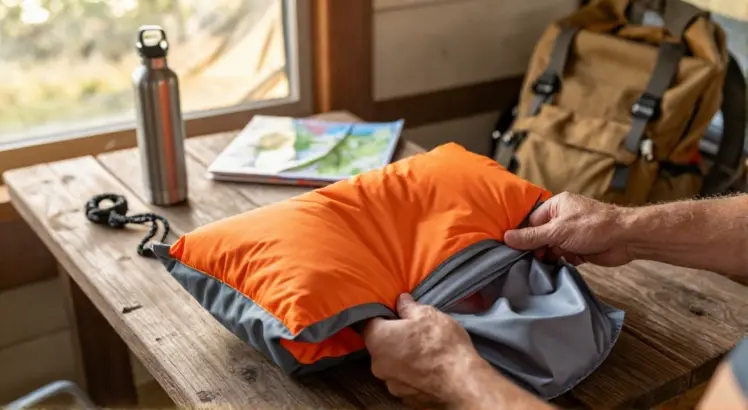
Learning how to pack Nemo Fillo pillow properly saves space in your backpack and keeps the pillow in top condition for years. This compact, inflatable travel pillow is a favorite among backpackers and campers because it combines a soft foam topper with a rugged air bladder. However, if you simply scrunch it into your pack, you risk damaging the delicate valve or trapping moisture that leads to mildew. A methodical approach ensures the pillow stays clean, dry, and ready for your next adventure.
I have tested dozens of camping pillows on long-distance trails and during international flights. The Fillo consistently rises to the top because of its balance of comfort and packability. After repeated use, I have found that correct packing takes only a minute and extends the pillow’s lifespan significantly. This guide walks you through the exact technique, common mistakes, and maintenance tips you need to keep your Nemo Fillo pillow in excellent shape.
Understanding the Nemo Fillo Pillow Design
The Nemo Fillo is not a simple air pillow. It has a thin layer of memory foam or a Primaloft-covered foam topper permanently bonded to an inflatable air cell. The combination gives you the plush feel of a traditional pillow with the compact storage of an air pad. A low-profile twist valve lets you inflate and deflate the pillow quickly, while a small stuff sack doubles as a stuff pocket or can be used for storage.
Understanding this hybrid construction is the first step to mastering how to pack a Nemo Fillo pillow. The foam topper must be protected from dirt and abrasion, and the internal air bladder should never be forced into a tight space while partially inflated. Treating the valve with care prevents leaks, which is the most common failure point for any inflatable gear.
Why Proper Packing Matters
Stuffing the pillow carelessly can trap body oils, sweat, and condensation inside the foam. Over time, that leads to unpleasant odors and possible fabric breakdown. A properly packed pillow also saves critical pack space. When you follow the right steps, you reduce the pillow’s volume by roughly 70%, making it smaller than a standard water bottle.
Another key reason is gear longevity. The twist valve and seam welds are durable but not indestructible. Sharp folds near the valve or excessive pressure can cause slow leaks. Packing the pillow flat and protected keeps the valve in the closed position and shields the foam from abrasive gear. For more general advice on how to keep pillows compact and clean during transit, you can review our guide on efficient pillow packing techniques for travel.
Step-by-Step Guide to Packing Your Nemo Fillo Pillow
Step 1: Fully Deflate the Valve
Open the twist valve counterclockwise until you feel a gentle stop. You will hear a steady rush of air. Do not yank or force the valve, as the plastic can strip. Once the air flow stops, press down firmly on the foam side to push out any remaining trapped air. A gentle squeeze from the opposite end helps move every last bit of air toward the valve.
Step 2: Fold or Roll the Pillow
With the valve still open, fold the pillow in half lengthwise, foam side facing outward to protect the valve area. You can also roll it loosely from the end opposite the valve toward the opening. Rolling too tightly can crease the foam or stress the weld seams, so keep the roll snug but not forced. The goal is to create a compact cylinder shape that slips easily into the stuff sack.
Step 3: Secure with the Integrated Strap
Many Fillo models include a small integrated strap or elastic band attached to the pillow. Wrap this strap around the folded pillow to hold it in place before you slide it into the stuff sack. If your version lacks a strap, use the stuff sack itself as a compression sleeve. Just slide the folded pillow in slowly, allowing any residual air to escape through the still-open valve as you push it in.
Step 4: Close the Valve and Store in the Stuff Sack
Once the pillow is inside the stuff sack, twist the valve clockwise to close it completely. This step is crucial because a closed valve stops moisture and dust from entering the inner air chamber during storage. A tight seal also prevents the foam from slowly re-expanding inside a packed bag. Pull the stuff sack drawstring closed, and you now have a compact bundle ready to stow in your pack’s side pocket or main compartment.
Tips for Maintaining Your Pillow’s Shape and Longevity
- Let the foam air out for a few hours after each trip before packing it away long term. This reduces moisture buildup.
- Avoid storing the pillow in a hot car or direct sunlight, as heat can weaken the valve seal and degrade the foam.
- Clean the pillow cover sparingly with mild soap and water, and never submerge the foam topper in a washing machine.
- Keep the valve free of sand and grit by wiping it with a dry cloth before closing.
For more recommendations on durable, lightweight camping pillows that pack down well, check our list of top-rated camping pillows. This will help you compare the Fillo with other options that suit different sleeping styles.
Common Mistakes to Avoid When Packing
One frequent error is rolling the pillow with the valve open, then closing it when the pillow is already compressed. Closing the valve before final compression traps air inside and works against you. Another mistake is folding the foam side inward against the plastic valve body, which can cause permanent dents in the foam over time. Always fold the foam outward, away from the hard valve components.
Some users try to stuff the pillow into a backpack without the stuff sack, thinking they will save weight. While possible, this exposes the valve to snagging on tent stakes or zippers. The stuff sack weighs almost nothing and adds a valuable layer of protection. If you must skip the sack, place the pillow in a dedicated mesh pouch or a clean, dry bag.
How the Fillo Compares to Other Travel Pillows
Pure inflatable pillows pack smaller but lack the plush feel of the Fillo’s foam layer. Thick memory foam travel pillows are comfortable but far bulkier and heavier. The Fillo sits in a sweet spot, offering the compression of an air pad with the softness of a camp pillow. Its integrated valve design makes deflation simpler than most competitors, which often use sticky flap valves that require careful rolling to expel all air.
If you need expert insights on backpacking pillow features and durability, expert backpacking pillow guide is a helpful resource. It covers material choices, weight considerations, and user reviews that complement what you learn here.
Frequently Asked Questions
Can I wash the Nemo Fillo pillow before packing it?
Yes, you can spot clean the fabric cover and foam topper with a damp cloth and mild detergent. Do not machine wash or dry the pillow, as that can damage the foam and valve. Always make sure the pillow is completely dry before packing it to prevent mildew.
Is it safe to leave the valve open while storing?
Leaving the valve open during storage is not recommended. An open valve invites dust, tiny insects, and moisture into the air chamber. Close the valve once the pillow is fully deflated and inside its stuff sack to keep the interior clean and dry.
How small does the Nemo Fillo pillow pack down?
When packed correctly, most Fillo models compress to roughly the size of a 1-liter water bottle, about 9 inches long and 5 inches in diameter. Exact dimensions vary slightly by model, but it consistently ranks among the most compressible hybrid pillows available.
Can I pack the pillow in a compression sack?
Using an aftermarket compression sack is not necessary and can apply uneven pressure that deforms the foam. The included stuff sack is designed to provide the right amount of compression. If you need even more space savings, simply squeeze out as much air as possible during the rolling step.
Conclusion
Mastering how to pack Nemo Fillo pillow takes just one or two practice runs. Open the valve fully, gently press out the air, roll the pillow foam side out, secure it with the strap, and store it inside the stuff sack with the valve closed. This routine prevents damage, saves pack space, and keeps the pillow fresh for every trip.
Treating your pillow with care pays off on the trail, where a good night’s sleep matters more than any other piece of gear. Use these steps, avoid common shortcuts, and you will enjoy the Fillo’s hybrid comfort for countless nights under the stars or in a cramped airplane seat.