
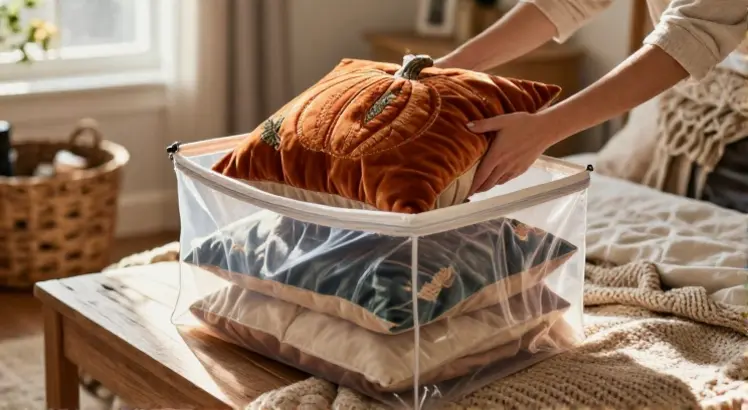
Seasonal pillows bring instant charm to a room, whether you are pulling out cheerful holiday designs or breezy summer prints. But when the season changes, these special cushions need more than a quick toss into the closet. Learning how to store seasonal pillows properly can extend their life, protect delicate fabrics, and save you money over time.
Many people end up with flattened inserts, yellowing covers, or musty smells because of poor storage habits. The good news is that a few simple steps can prevent every one of those issues. This guide will walk you through the best containers, prep work, and storage locations so your pillows stay as vibrant as the day you packed them away.
Why Proper Storage Matters for Seasonal Pillows
Seasonal pillows often sit untouched for six months or longer. During that time, dust mites, moisture, and pests can settle in and cause real damage. A pillow stored while still slightly damp will quickly develop mildew, and one left out in direct sunlight will fade and weaken. Even the fill can break down faster when it is not protected.
Good storage preserves the shape, color, and hygiene of every pillow in your collection. It also keeps unpleasant odors from transferring to other linens. A thoughtful approach means you will open your storage bin next season and find pillows that look, feel, and smell like new.
Preparing Your Pillows Before Storage
Clean Every Pillow Thoroughly
Dirt, body oils, and invisible bacteria left on the fabric will only get worse in a dark, enclosed space. Check the care label first. Most decorative pillows with removable covers can be unzipped and laundered separately from the insert. If the cover is not removable, spot clean it with a gentle upholstery shampoo or take it to a professional cleaner.
For holiday pillows with delicate embroidery or beading, hand washing is often the safest route. Lay them flat to dry completely, away from direct heat. Never pack a pillow that feels even slightly damp to the touch. That small amount of moisture can turn into a full-blown mildew problem in just a few weeks.
Inspect for Damage and Make Quick Repairs
A tiny rip along the seam can become a huge tear by the time you pull the pillow out of storage. Run your hands over every side of the cover and check zippers, piping, and appliqués. If you find a loose thread or a small hole, spend five minutes sewing it up now. This prevents the fill from escaping and keeps pests from crawling inside.
Also, fluff the inserts and look for lumps or clumping. If the fill has started to shift, give it a good shake and a few kneads to redistribute everything evenly. A well-shaped insert is much easier to use again right away.
Choosing the Right Storage Containers
The container you pick makes a huge difference. A cheap cardboard box invites moisture, bugs, and crushing. You want something that shields your pillows from light, dust, and pressure, while still allowing a little air flow if needed.
Breathable Fabric Bags Are Ideal
Cotton storage bags or zippered canvas options are excellent for most seasonal pillows. They keep dust out while letting the fabric breathe, which reduces the risk of trapped humidity. Avoid plastic dry cleaning bags as a long term solution, those can trap moisture and lead to yellowing.
For extra protection, slide a small silica gel packet or a charcoal dehumidifier inside the bag. This tiny addition works continuously to absorb any ambient moisture. Just remember to replace the packet once a year to keep it effective.
When to Use Plastic Bins
Clear plastic bins with tight closing lids are a solid choice if your storage area is prone to dust or pests like silverfish and moths. Choose polypropylene bins instead of brittle plastics that crack easily. Even with a sealed bin, it is smart to line the inside with a cotton pillowcase or acid free tissue paper to stop plastic fumes from transferring onto the fabric.
Vacuum storage bags deserve a special mention. They are tempting because they shrink fluffy pillows down to a fraction of their size, but they can permanently compress down and feather fills. Use vacuum bags only for short term storage of synthetic fills, and never for high end down pillows or memory foam inserts. Even then, stop before the bag becomes rock hard.
Step-by-Step Guide to Storing Seasonal Pillows
- Clean and dry every pillow completely. Let them air out for 24 hours after washing to be absolutely sure.
- Fluff and reshape inserts. Give them a gentle pounding to restore loft. For square pillows, push the corners out so they keep a crisp shape.
- If possible, separate covers from inserts. Fold covers neatly and roll inserts loosely instead of folding them flat to avoid deep creases.
- Choose your container. Place the pillows inside, leaving a small amount of room for the fill to breathe. Do not overstuff the bin.
- Add a moisture absorber. Tuck a silica gel pack into the bag or bin, and close it securely.
- Label the container with a note that says Fall Pumpkins or Christmas Red so you can find the right box quickly next year.
Where to Store Seasonal Pillows
The best storage spot is a climate controlled space like a guest room closet, an under bed drawer, or a dedicated linen cupboard. Temperature swings and high humidity are the biggest enemies of stored textiles, so basements and attics are risky unless they are finished and well sealed.
Keep pillows off the floor to avoid accidental water damage. Stack bins on shelves or pallets instead of directly on concrete. If you must use a high shelf in the garage, place the bin inside a larger waterproof container as a secondary barrier against leaks and pests.
Special Care by Fill Type
Seasonal pillows come with all sorts of fillings, and each one has its own storage needs. Treating them all the same way can ruin an otherwise perfect pillow. A quick guide, based on the most common fills you will find in decorative cushions, is below.
Down and Feather Pillows
Natural fills are breathable and wonderfully soft, but they are magnets for moisture. Always store them in a cotton bag, never plastic. Add a cedar block or lavender sachet to keep moths away without chemical smells. Before packing, give them a few hours in the sunshine to allow the feathers to fully dry and fluff up.
Polyester Fiberfill Pillows
These are the most forgiving pillows to store. They handle light compression well and are less attractive to pests. You can safely use a plastic bin or a breathable bag. They do tend to clump under weight, so store them on top of heavier items rather than underneath.
Memory Foam or Shredded Foam Pillows
Foam is sensitive to extreme heat and cold. Never store foam pillows in an attic or a car trunk. Keep them in a cool, dry place inside a breathable wrap. Do not fold memory foam inserts sharply. If space is tight, roll them gently around a cardboard tube, but never crush them flat for months.
Storing Inserts vs Covers
One of the best habits is to treat seasonal cushion covers and inserts as separate items. Most seasonal pillows you buy from big box stores have a plain insert that works year round. Storing the insert inside a holiday cover for nine months puts constant pressure on zippers and seams. It also traps any unseen moisture between the layers.
Unzip the cover, wash and dry it according to the tag, and fold it neatly. Place multiple covers flat in a drawer with acid free tissue between them to prevent color transfer. The bare insert can then be stored in a cotton bag or bin. When the season comes back around, you simply slip the clean cover over the fresh insert and enjoy.
If you prefer to keep them together, at least unzip the cover halfway to allow air circulation. That small step can make a big difference in preventing stale odors.
Long Term Care and Rotation
Every year, as you unpack your seasonal pillows, do a quick quality check. Sniff each pillow for mustiness, look for new stains, and feel for clumping. If a pillow has lost its shape, give it a good massage and a few hours in the dryer on the no heat or air fluff setting to revive the loft.
Rotating your seasonal collection can also extend its life. Instead of using the same four Thanksgiving pillows every single year, buy a sixth and swap them in and out. This even distribution of wear and wash cycles keeps any single pillow from breaking down too fast.
For detailed steps on specific holiday themed pillows, you can look at our storing Christmas pillows guide and the dedicated holiday pillow storage guide. Both walk you through seasonal peculiarities like glitter removal and protecting embroidery.
Common Storage Mistakes to Avoid
- Skipping the clean step. Even a pillow that looks clean holds oils from skin and pet dander. Those attract bugs and create odors.
- Using cardboard boxes. Cardboard is a pest hotel. It holds moisture and breaks down over time, leaving paper dust on your pillows.
- Sealing damp pillows. A pillow that is 95 percent dry will mold inside a sealed bin. Always wait until it is totally dry.
- Piling heavy items on top. Storing bins of tools or books on top of pillows crushes the fill and permanently deforms the shape.
- Forgetting to label. Unlabeled bins turn into a guessing game. You risk rummaging and damaging pillows the next time you haul the box down from the shelf.
- Choosing the wrong location. A damp basement or hot attic will ruin pillows faster than almost anything else.
Frequently Asked Questions
Can I store seasonal pillows in vacuum bags?
Vacuum bags work only for synthetic pillows and only for short periods. They can permanently crush down and feather fills, and they may crack memory foam. If you do use one, leave a little air inside and never store it for more than a single season.
How often should I wash seasonal pillows before storing?
Wash them at the end of each season, just before you pack them away. This guarantees they go into storage completely fresh. A mid year refresh is not needed if they have been sitting untouched in a proper container.
What is the best place to store seasonal pillows?
A cool, dry, and dark closet or under bed space is perfect. Avoid spots that swing from hot to cold or that collect humidity.
Do I need to use mothballs or cedar products?
Mothballs have a strong chemical smell that lingers on fabric and can be harmful. A natural cedar block, lavender sachet, or a simple silica gel pack is safer and just as effective against moths and mustiness.
Conclusion
How to store seasonal pillows does not require a huge investment or a storage unit. A few cotton bags, some silica gel packs, and a clean, dry place are all you really need. The payoff is huge: you pull out your favorite fall leaves or festive snowflakes next year and they are already fresh, plump, and ready to display.
Start with a thorough clean, choose breathable protection, and always label your bins. Those three habits will keep your pillow collection in top shape season after season. Take an hour this weekend to pack away your winter pillows the right way, and you will thank yourself when the first crisp autumn day arrives.