
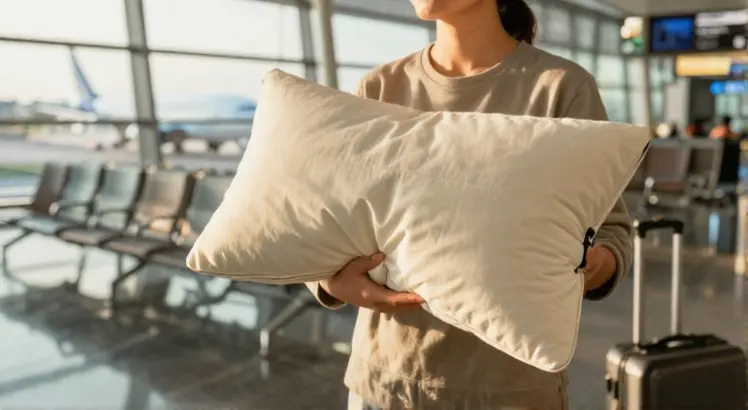
If you are getting ready for a flight and want to stay comfortable, you have probably wondered, can you bring pillows on a plane. The short answer is yes, you can, but the rules depend on factors like pillow size, airline restrictions, and how you plan to pack it. Many travelers bring pillows for lumbar support, a nap, or simply a touch of home in the sky. Understanding the official guidelines helps you breeze through security without delays.
In this article, you will learn exactly what the Transportation Security Administration allows, what major airlines say about pillows, and how to choose the right type for travel. We also cover clever packing methods, comfort tips, and the difference between a pillow counting as a personal item or a carry-on. By the end, you will know how to bring your favorite pillow without stress.
TSA Rules for Pillows: What Is Allowed
The Transportation Security Administration treats pillows like any other soft item, and they are generally allowed in both carry-on and checked luggage. According to the TSA’s official list of permitted items, solid pillows, inflatable pillows, and even memory foam travel pillows can go through the security checkpoint without issue. You do not need to remove your pillow from your bag for screening, but it may be subject to additional inspection if it triggers an alarm. So a clean, simple pillow is the easiest to fly with.
Neck pillows and small cushion-style pillows are especially common and rarely questioned. Full-size bed pillows are also permitted, though they draw more attention because of their bulk. Gel pillows or those with unique fillings might need a quick check, so it helps to pack them in a way that makes inspection simple. Always check the TSA’s official list of permitted items before your trip for last-minute changes.
The key takeaway is that TSA does not classify pillows as a hazardous item. Even pillows with microbeads or buckwheat hulls are usually fine, though the final decision rests with the agent at the checkpoint. Keeping your pillow easily accessible in your carry-on bag can help the screening process go faster. If you are unsure about a specialty pillow, contacting the TSA ahead of time is a smart move.
Airline Carry-On Policies for Pillows
While TSA sets security rules, individual airlines decide whether a pillow counts as an extra carry-on or a personal item. Most major U.S. carriers, including Delta, American, and United, treat a small pillow as a personal item if it can fit under the seat in front of you. A full-size bed pillow often counts as your one carry-on bag, so you may need to check your main suitcase if you bring a large pillow onboard. This policy can vary, so always check your specific airline’s baggage page.
Budget airlines tend to be stricter about the number of items you can bring. For example, if you travel with a pillow plus a backpack and a roll-aboard, you could be asked to consolidate or pay an extra fee. A good rule of thumb is to attach your pillow to your carry-on handle with a strap or carabiner, which often helps it count as part of the same bag. In many cases, clipping a small neck pillow onto a backpack is ignored altogether.
International carriers often follow similar logic, but it is wise to review the fine print on the airline’s website before you leave. Some long-haul flights even provide basic pillows, though comfort levels differ widely. For more depth, you can read our detailed guide on TSA and airline rules for pillows, which breaks down the policies of popular airlines.
Types of Pillows You Can Bring on a Plane
Neck Pillows
U-shaped neck pillows are the most common travel cushions and are almost universally accepted as a personal comfort item. They wrap around your neck, provide head support during upright naps, and rarely count as a separate carry-on. Memory foam, microbead, and inflatable versions all pass security with ease. For the best experience, choose a neck pillow that has a snap closure so you can attach it to your bag when not in use.
Full-Size Bed Pillows
Bringing a full-size pillow from home is absolutely allowed, but its bulk changes how the airline views your luggage allowance. A standard, king, or body pillow will likely count as your carry-on item, so plan accordingly. You can stuff it into a space-saver compression bag to reduce its footprint, making it easier to stow overhead. Just know that a very large pillow may be flagged at the gate if the flight is full.
Inflatable Pillows
Inflatable travel pillows are a space-saving hero for travelers who want support without the bulk. When deflated, they fold to nearly nothing and fit easily in a personal item like a purse or laptop bag. Air pressure changes during the flight can cause slight inflation shifts, but they still work perfectly after a quick puff of air. Many premium inflatable pillows now come with a soft fabric cover, offering a cozy feel similar to a foam option.
Memory Foam and Specialty Pillows
Memory foam travel pillows, cervical pillows, and even weighted pillows are all generally permitted. Weighted pillows may raise a question during screening because of their density, but they are not banned. Just be prepared for a possible bag check if the X-ray shows an unusual shape. These pillows tend to take up more space, so pack them strategically if you also have a laptop bag.
How to Pack Pillows for a Flight
Packing a pillow efficiently makes the entire travel experience smoother and helps you avoid unwanted fees. For a small neck pillow, the easiest method is to clip it to the outside of your backpack with a carabiner or a snap loop. If you prefer to keep it clean, slip it into a reusable tote bag that can double as your personal item. This keeps the pillow off the dirty floor while leaving your hands free.
For a full-size pillow, a compression bag is a game-changer. You can roll the pillow tightly, seal it, and shrink the volume by half or more, making it easier to fit into a carry-on suitcase. Another option is to use a vacuum storage bag if you have access to a vacuum at your destination. Avoid simply holding a loose pillow in your arms as you walk through the airport, gate agents are more likely to count that as a third item.
We have tested several space-saving tricks, and a simple pillow strap attached to your suitcase handle often works wonders. You can find more practical packing strategies for pillows on this page, which covers methods for different pillow sizes and trip lengths. Keeping your pillow compressed and attached is the best way to stay within the airline’s item limit.
Tips for Staying Comfortable While Flying
Choosing the right pillow is just the first step toward a restful flight. You also want to pair it with smart habits like adjusting your seat recline slightly, using a lumbar support cushion, and wearing loose, comfortable clothing. A small neck pillow works best when angled to support the side of your head, not just the back. Experiment at home before your trip to find the most comfortable position.
Noise-canceling headphones and an eye mask turn your pillow into a full sleep setup, even in a cramped middle seat. Drink water before and during the flight, but skip heavy meals that can make you feel sluggish. A pillow that allows you to lean forward onto the tray table can be a surprisingly effective nap position for many travelers. Some hybrid pillows double as a lap cushion, giving you flexibility.
If you are bringing a pillow to support a sore back or neck, choose a design that is specially shaped for therapeutic use. A cervical roll or wedge pillow can fit into a carry-on bag if it is not overly bulky. The combination of support and gentle movement restriction often leads to fewer aches upon landing. Small details like this turn a standard flight into a much more pleasant experience.
Can Pillows Replace a Personal Item?
This is one of the most common points of confusion, and the answer depends on the airline’s definition of a personal item. A small pillow that fits completely inside your purse, laptop bag, or small backpack is simply part of that item. A neck pillow worn around the neck is typically not counted at all, much like a coat or a neck scarf. Where things get tricky is when you carry a full-size pillow in addition to a backpack and a roller bag.
Gate agents are trained to enforce the one personal item and one carry-on rule. A bulky pillow that cannot fit under the seat will be treated as your carry-on, so you may need to gate-check your suitcase. To avoid surprises, wear your neck pillow and keep your full-size pillow inside your carry-on until you board. This approach removes the visual cue that might trigger a count at the boarding door.
Frequently Asked Questions
Can I bring a pillow on a plane in addition to my carry-on?
It depends on the pillow size. A small neck pillow worn around your neck is almost never counted as a separate item. A full-size pillow usually counts as your carry-on bag, so you may need to consolidate.
Do pillows count as a personal item on airlines?
A pillow that can fit under the seat and is carried inside another bag does not count as a separate personal item. If you hold it loosely or it is too large to stow in your backpack, it will likely be seen as your carry-on.
Can I bring a weighted blanket pillow on a plane?
Yes, weighted pillows are allowed. TSA permits them, but they may require additional screening because the dense filling can look unusual on the X-ray. Plan a little extra time at security.
Can I bring a pillow with buckwheat or microbeads?
These pillows are generally permitted. The organic or synthetic fill is not a prohibited item. However, a very large buckwheat pillow might draw a bag check as agents verify the contents.
Should I put my pillow in my checked luggage instead?
If you want to bring a full-size pillow and avoid carry-on drama, placing it in checked luggage is a hassle-free option. Use a protective bag to keep it clean and consider a travel pillowcase for hygiene.
Conclusion
So, can you bring pillows on a plane? Absolutely, and with a bit of planning you can do it without paying extra fees or holding up the security line. TSA rules are clear, soft pillows of all types are welcome, and airline policies come down to how you present the pillow as part of your luggage allowance. Neck pillows are the easiest ticket to airborne comfort, while full-size pillows require a bit more strategy.
Focus on packing your pillow in a way that keeps it compact, clean, and attached to your main bag. A compression sack, a carabiner, or a simple tote can turn a bulky item into a travel asset. Check your specific airline’s latest carry-on guidelines before you head to the airport, and always keep a lightweight travel pillow in your bag for spontaneous comfort. Safe travels and happy napping.