
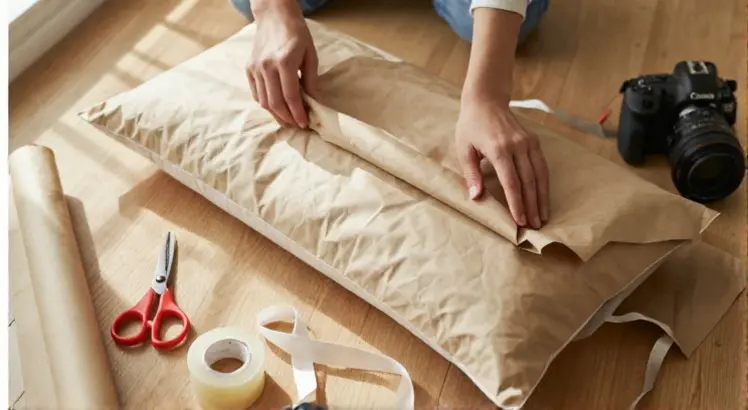
Wrapping a body pillow can feel like an impossible puzzle. These oversized pillows are long, fluffy, and refuse to fit inside standard gift wrap. You might think the only solution is a giant bag and a shrug, but there is a much better way. This guide will show you exactly how to gift wrap a body pillow so it looks polished, intentional, and truly surprising.
Whether you are preparing a birthday surprise, a cozy housewarming gesture, or a holiday present, the presentation matters almost as much as the pillow itself. A beautifully wrapped body pillow transforms a simple bedding item into a memorable experience. I will walk you through several methods, from classic wrapping paper hacks to no-waste fabric solutions, so you can choose the one that fits your skill level and style.
This article is built on real experience, not just theory. I have wrapped dozens of oddly shaped pillows over the years, and I have learned what actually stays taped and what falls apart the second you hand it over. You will get practical, tested steps that keep the wrapping secure while hiding every awkward bump.
Why a Body Pillow Demands a Different Wrapping Strategy
A standard roll of wrapping paper measures about 30 inches wide. A body pillow often stretches to 54 inches or more. Right away, you are dealing with a surface area that laughs at the typical gift wrap aisle. Plus, body pillows are squishy and lack rigid edges, so tape has nothing firm to grip onto. If you treat it like a small shirt box, the paper will tear, the shape will sag, and the surprise will be spoiled before the first ribbon is untied.
Understanding the unique challenge helps you plan the right materials. You need extra-wide coverage, a way to cinch the ends without crushing the filling, and a strategy to keep the pillow from bursting through the seams. The good news is that once you understand a few core techniques, you can wrap any long, cylindrical soft item in just a few minutes.
The key is to work with the pillow’s shape instead of fighting it. Think of it more like wrapping a rolled rug or a piece of foam tubing. This mindset shift alone makes the project feel ten times easier.
Essential Materials for Wrapping a Body Pillow
Gathering the right supplies before you start is half the battle. You can likely find everything you need at a craft store or even around the house. Here is a checklist that keeps frustration low and results high.
- Extra-wide wrapping paper or two rolls of coordinating standard paper
- Heavy-duty double-sided tape or packing tape
- Sharp scissors
- A large flat surface such as a clean floor or big dining table
- Fabric ribbon, twine, or cloth strips
- Decorative gift tags or bows
- A plain cotton sheet or large fabric square for the no-paper method
If you decide to go the fabric route, you will not even need tape or paper. This approach is reusable, eco-friendly, and incredibly forgiving. A flat bed sheet, a large scarf, or a couple of yards of festive cotton fabric can do the job beautifully.
How to Gift Wrap a Body Pillow Using Wrapping Paper
This is the most traditional approach and creates the classic gift experience. I will break it into two reliable methods. Choose the one that matches the size of your paper and your patience level.
Method 1: The Double-Panel Wrap
Standard wrapping paper is too short to cover the entire length of a body pillow, so you need to create a seamless extension. This technique connects two sheets of paper so cleverly that the seam nearly disappears under ribbon.
First, lay the pillow flat on your work surface. Roll out one length of wrapping paper, placing the pillow diagonally in the center if you want to save paper, or parallel to the edge for an easier fold. You will notice the paper covers only about two-thirds of the pillow. Cut a second sheet of the same paper, ensuring the patterns match up if the design is directional.
Overlap the two sheets by about three inches, securing the seam on the underside with double-sided tape. Now you have one long continuous sheet. Position the pillow in the center and bring the long sides up and over, taping them securely along the entire length. Do not just tape the ends, add tape strips every six inches so the paper hugs the pillow without slipping.
For the ends, treat them like a giant candy wrapper. Flatten the excess paper, fold the top and bottom edges inward to form crisp triangles, then fold the whole flap up and tape it in place. The result is a neat, cylindrical package that looks like a professional gift wrap job.
Method 2: The Center-Cinch Technique
If you prefer a slightly gathered look, this method is faster and requires less precise cutting. Wrap the pillow as a single bulky bundle, allowing the paper to bunch naturally at both ends. Instead of folding crisp corners, you gather the paper ends, pinch them together, and tie them tightly with a ribbon or piece of jute twine.
This creates a charming, old-fashioned parcel effect. It works especially well with kraft paper or thick wrapping paper that will not tear when gathered. Add a sprig of dried lavender or a little bell to the tie point for an extra thoughtful detail. The key is to use enough paper so the ends can be gathered without ripping, and to reinforce the gathering point with a piece of clear tape before tying.
How to Use a Fabric Wrap for a Body Pillow
Fabric wrapping, sometimes called Furoshiki, is a game changer for bulky soft gifts. It requires no tape, no scissors, and no fighting with thin paper. A single large piece of fabric wraps the pillow in one smooth motion and becomes part of the gift itself.
Choose a fabric square at least 70 inches on each side. A flat bedsheet trimmed to size works perfectly. Place the fabric right side down on the floor. Lay the body pillow diagonally across the center. Fold the bottom corner up over the pillow, then fold the top corner down to overlap it. This creates a tidy envelope.
Next, bring the left and right corners over the pillow and tie them together with a simple knot on top. You can adjust the tightness to make the package look full but not strained. The fabric bow becomes the decorative element, so choose a sheet with a cheerful pattern or a holiday color. This method is especially lovely if you are gifting the pillow to someone who appreciates sustainability and practical reuse.
Turning a Large Gift Bag into a Body Pillow Presentation
Sometimes the best wrapping is no wrapping at all, or rather, a well-dressed gift bag. Standard shopping bags will not accommodate a body pillow, but oversized laundry bags or specialty jumbo gift bags will. You can find them at party supply stores or online.
Slide the pillow in vertically, letting the top of the pillow peek out slightly. Do not try to cram the whole pillow down, or it will look like a stuffed turkey. Instead, arrange a generous amount of tissue paper around the exposed top. Fold the tissue over and tie a wide ribbon around the bag opening. Fluff the tissue so it cascades like a flower.
If you cannot find a bag tall enough, consider placing the pillow horizontally in a large decorative basket. Line the basket with crinkled paper or a soft blanket, nestle the pillow inside, and wrap the entire basket in a clear cellophane sheet. Gather the cellophane at the top and tie it with a statement bow. This transforms the gift into a whole presentation that feels luxurious and intentional.
Creative Embellishments That Make the Gift Unforgettable
Once the pillow is wrapped, the details take it from simply covered to genuinely impressive. You do not need fancy skills, just a few well-chosen extras. A wide ribbon in a contrasting color can hide the seam from the double-panel wrap. A cluster of jingle bells tied with baker’s twine adds cheer without effort.
If you are giving the pillow for a holiday, look to the techniques we explored in our guide on special holiday gift wrapping techniques. The same principles, like incorporating natural elements and layering ribbons, apply beautifully to a body pillow. A single cinnamon stick and a sprig of pine can make a plain kraft paper wrap smell as good as it looks.
Personalized gift tags add the final touch. Write a note about why you chose that particular pillow, perhaps a memory foam option for better sleep or a soft down-alternative fill for cozy naps. When the wrapping tells a small story, the gift feels deeply personal.
Common Mistakes People Make When Wrapping a Body Pillow
Even well-intentioned gift wrappers run into trouble with oversized items. Recognizing these pitfalls in advance saves you time and wasted paper.
- Using thin, inexpensive wrapping paper. Cheap paper tears when you pull it tight and offers no forgiveness for the pillow’s bulk. Always use heavy-weight or reinforced wrapping paper.
- Skipping the seam reinforcement. A single strip of tape down the middle is not enough. The pillow will push the paper apart. Use double-sided tape or packing tape every six to eight inches.
- Wrapping without first compressing the pillow. Some body pillows can be temporarily rolled tightly and tied with a ribbon before wrapping. This reduces the volume and makes paper coverage much easier. Just remove the temporary tie after the outer wrap is secure.
- Forgetting to match patterns at the overlap. If your paper has a linear design, a mismatched seam sticks out like a sore thumb. Take an extra minute to align the print before taping the two sheets together.
When you avoid these errors, you turn a potential disaster into a confident, polished presentation. If you have ever wrapped a standard-sized pillow, many of these same principles apply, and our detailed walkthrough on wrapping a standard pillow as a present can help you build foundational skills.
Comparing All Methods at a Glance
Different occasions and personalities suit different wrapping styles. This quick comparison helps you pick the right one without second-guessing.
- Double-panel paper wrap: Best for formal occasions. Looks crisp and traditional. Requires two sheets of paper and careful taping.
- Center-cinch wrap: Great for rustic or casual gifts. Super quick. Works best with kraft paper.
- Fabric Furoshiki: Perfect for eco-conscious gifting. Reusable and zero waste. Requires a large fabric square.
- Gift bag or basket: Ideal when you are short on time. Requires an oversized bag but almost no skill. Tissue paper does all the heavy lifting visually.
There is no single right answer. I often use the fabric method for close friends who will reuse the cloth as a scarf or table cover, and the double-panel paper method for a birthday where the rip of paper is part of the joy.
How to Transport a Wrapped Body Pillow Without Damage
Finishing the wrap is only half the journey. Moving it to the celebration site without crinkling or tearing the paper is its own challenge. A body pillow is large enough that it does not fit easily into a car back seat without twisting.
Place the wrapped pillow flat in the trunk if possible, with nothing heavy on top. If you must stand it upright, lean it against a seat back and secure it gently with a seatbelt. Avoid gripping it by the gathered ends, as that is where most tearing happens. Carry it from the middle, supporting the full length.
For delicate fabric wraps, a light plastic garment bag slipped over the entire gift adds an invisible shield during transit. You can remove the bag right before presenting it, and no one will ever know.
Frequently Asked Questions
Can I wrap a body pillow with just one roll of regular wrapping paper?
Yes, if you use the center-cinch method and do not mind the exposed ends. You will need to gather the paper tightly and tie it. For full coverage, two rolls or an extra-wide roll is much easier.
What kind of fabric works best for the no-paper method?
Lightweight cotton, flannel, or even a large scarf works beautifully. Avoid stretchy fabrics that will slip out of the knot. A flat sheet with a fun print is often the easiest and most affordable option.
How do I keep the paper from tearing when I fold the ends?
Make small, gentle folds instead of aggressive creases. If the paper is thick, you can score the fold lines lightly with the back of a butter knife for cleaner edges. Reinforcing the inside of the fold with a strip of clear tape also prevents tearing.
Is it better to wrap the pillow with or without its protective bag?
Keep the pillow inside a clean, thin protective cover or the original plastic sleeve. This keeps the fabric clean during wrapping and adds a layer of hygiene. Just make sure the bag does not make the pillow too slippery for the paper to grip.
Can I use a duffle bag as the wrapping for a body pillow?
Absolutely. A new, stylish duffle bag with a ribbon tied around it functions as a creative dual-purpose gift. The recipient gets the pillow and a useful bag, and you have no paper waste to deal with.
Final Thoughts on Mastering the Art of Pillow Presentation
Knowing how to gift wrap a body pillow is one of those quiet skills that instantly elevates any gifting occasion. It shows that you put thought not just into what is inside, but into the entire experience of receiving. The techniques you learned here, whether the crisp double-panel paper, the soft fabric fold, or the abundant gift bag, all prioritize security and beauty equally.
The next time you face a long, plush gift and a roll of paper that seems laughably inadequate, remember that the solution is just a matter of smart seaming and the right materials. If you want to explore even more professional packing ideas for similar soft items, resources like guide to wrapping larger household items offer additional clever hacks.
Practice once on a rolled towel if you are nervous. You will be amazed at how quickly your hands learn the motions. The joy on someone’s face when they see that beautifully wrapped body pillow resting under the tree or on their bed is worth every piece of tape.