
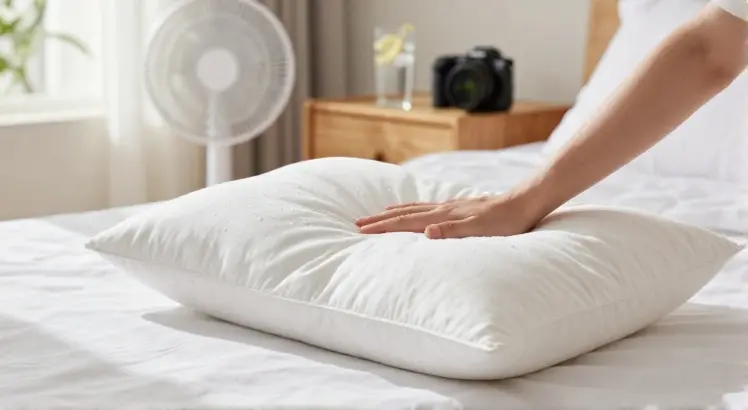
If you have ever flipped your pillow in the middle of the night searching for a cool spot, you know why discovering how to keep your pillow cold is a game changer for restful sleep. A warm pillow disrupts your body’s natural temperature drop, which is essential for falling and staying asleep. The good news is that a few simple adjustments can keep your pillow refreshingly chilled until morning. This guide walks you through proven, beginner-friendly methods that cost little to nothing.
Whether you sleep hot year-round or just dread summer nights, controlling your pillow temperature directly impacts sleep quality. Before diving into the hacks, consider pairing these tricks with a purpose-built cooling pillow. Our detailed look at the best cooling pillows on the market can help you choose a pillow engineered for constant coolness.
Why a Cold Pillow Matters for Your Sleep
Your core body temperature naturally dips as bedtime approaches, signaling your brain that it is time to rest. When your skin touches a heat-trapping pillow, this cooling process stalls. A pillow that stays cold promotes faster sleep onset and longer REM cycles. It also reduces nighttime sweating and discomfort for side sleepers who press their face against the fabric.
Sleep specialists at the Sleep Foundation explain that a cooler sleep environment helps regulate your circadian rhythm and prevents wakeups. Even a slight drop in pillow temperature can make a noticeable difference if you frequently feel overheated. Simply put, a cold pillow is not a luxury, it is a cornerstone of quality sleep hygiene.
The Science Behind Temperature and Comfort
Thermoregulation during sleep is controlled partly by your hypothalamus. A warm surface on your face or neck can trigger alertness and physical restlessness. By keeping your pillow cold, you support the natural heat dissipation process your body craves after dark. This is why even a few degrees of cooling can help you wake up feeling refreshed.
10 Proven Ways to Keep Your Pillow Cold All Night
You do not need expensive gadgets to achieve a cool pillow. These ten techniques combine everyday household items with smart material choices. Pick one or stack a few for an instant cooling effect that lasts until your alarm rings.
- Use a Cooling Pillow Protector. A bamboo or phase-change material protector wicks away heat and moisture. Slip it under your regular pillowcase for an invisible barrier against warmth.
- Flip the Pillow to the Cool Side. Simply turning your pillow over exposes the underside that has not absorbed your body heat. Do this whenever you shift positions during the night.
- Chill a Gel Pack Inside the Pillowcase. Place a soft gel pack in the freezer for an hour, then slide it into the pillowcase beside your head. Wrap it in a thin cloth to avoid direct icy contact.
- Choose Breathable Pillow Materials. Buckwheat, millet, and shredded latex pillows allow air to circulate, preventing heat buildup. They naturally stay cooler than dense memory foam.
- Refrigerate Your Pillowcase. Put a spare cotton pillowcase in a sealed bag and chill it in the fridge for 15 minutes. Slip it on right before bed for an immediate cool sensation.
- Create a DIY Cooling Insert. Fill a sturdy ziplock bag with water, freeze it flat, and then wrap it in a hand towel. Slide it under your pillow for hours of chilled support.
- Use a Buckwheat Hull Pillow. The hulls do not retain heat, and the spaces between them constantly ventilate. This traditional option delivers a consistently cool sleep surface.
- Try a Gel-Infused Memory Foam Pillow. Cooling gel beads or infused copper draw heat away from your skin. These pillows feel notably cooler to the touch compared to standard foam.
- Position a Frozen Water Bottle Behind the Pillow. Freeze a water bottle and lay it horizontally behind your pillow. It cools the surrounding air without making the surface damp. Replace halfway through the night if needed.
- Lower the Bedroom Temperature. Set your thermostat to 65 to 68 degrees Fahrenheit. Cool ambient air draws heat from your pillow faster, extending the chill of any method you choose.
Why Pillow Material Matters More Than You Think
Synthetic polyester and traditional memory foam trap heat, working against every cooling trick. Natural fibers like Tencel, organic cotton, and bamboo rayon actively wick moisture away. When selecting a new pillow, pay close attention to the cover fabric and the fill. A breathable shell combined with a gel-infused core can lower the surface temperature by several degrees. If you are budget-conscious, explore our picks for the most affordable cooling pillow options that still deliver all-night freshness.
Common Mistakes That Ruin a Chilled Pillow
Even well-intentioned attempts can backfire if you overlook these pitfalls. Avoid these errors to maintain a consistently cold surface without discomfort or damage.
- Using an unprotected ice pack directly on skin. This can cause skin irritation or even frostnip. Always wrap frozen items in a cloth or place them under the pillow.
- Over-chilling synthetic pillows. Putting a whole polyester pillow in the freezer can trap moisture and lead to mildew. Stick to chilling pillowcases or inserts instead.
- Neglecting the pillowcase material. Even a perfectly cooled core loses its chill if you cover it with a flannel or fleece case. Always use light, breathable cotton or bamboo.
- Ignoring humidity levels. High humidity makes any cool surface feel damp and uncomfortable. Use a dehumidifier or a fan to keep air moving across your pillow.
Frequently Asked Questions About Keeping Your Pillow Cold
Can I put my entire pillow in the freezer?
You should not place a full pillow in the freezer. Most pillow fills, especially down or memory foam, absorb moisture that condenses into damp clumps overnight. Instead, chill only the pillowcase or a dedicated cooling insert. This method gives you the crisp sensation without risking mold or internal damage.
How often should I flip my pillow to stay cool?
Flip your pillow every time you wake up or change sleep positions. For most people this happens naturally two to three times a night. Combine flipping with a breathable pillow protector, and the cool side will last considerably longer than the warm top side.
What type of pillowcase feels the coolest?
Bamboo, Tencel lyocell, and percale cotton pillowcases consistently feel cool against the skin. They wick moisture and allow airflow, unlike sateen or microfiber. Choosing a light color also helps, as dark fabrics absorb more ambient heat.
Do cooling pillows really work?
Yes, a well-designed cooling pillow makes a measurable difference. Pillows with gel-infused foam, copper fibers, or ventilated latex stay up to 10 degrees cooler than standard memory foam. For an honest assessment of top performers, read our guide to the best cooling pillows that have been tested for real-world comfort.
Combine Techniques for Lasting Coolness
Knowing how to keep your pillow cold is not about one magic trick, it is about layering multiple small actions. Start tonight with a chilled pillowcase and a breathable protector. Then add a frozen water bottle behind the pillow if the night is especially warm. Pay attention to your bedroom’s overall temperature and humidity for the best results.
Make it a habit to prep your cooling tools before bedtime. In just five minutes you can set up a system that fights night sweats and restless tossing. With consistent practice, you will train your body to associate your pillow with instant relief, making it far easier to drift off. For further enhancements, explore different pillow fills and protectors that align with your sleep style, and enjoy the deep, uninterrupted rest you deserve.