
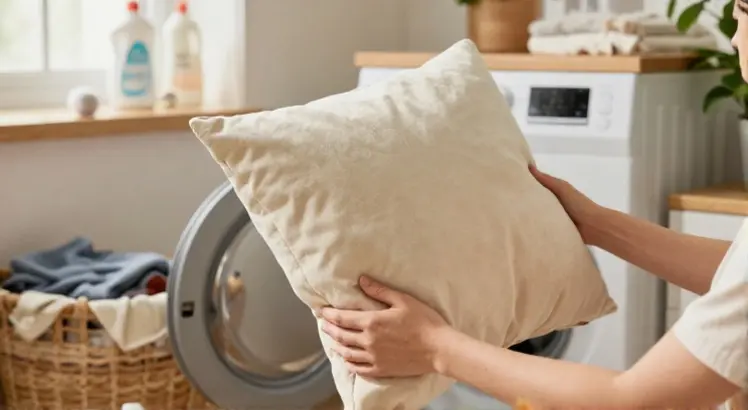
You have just settled into bed for a movie marathon or a late-night reading session, propped up perfectly by your favorite reading pillow. But as you adjust the high arms and plush backrest, you notice a faint smell of sweat, a splash of coffee, or the dullness of dust. It is a moment many dread because a husband pillow, also known as a backrest pillow, looks complicated. It is not a simple rectangle you can just toss in the machine without a second thought. The rigid foam, the removable accessories, and the sheer bulk make it feel like a laundry disaster waiting to happen.
I have spent years testing, reviewing, and yes, accidentally ruining pillows so you do not have to. Through trial and error, I have learned that preserving the loft of the shredded foam and the integrity of the armrests requires a specific strategy. If you aggressively wash this bulky item the wrong way, you can destroy the filling, snap the handle, or end up with a mildewed mess that smells worse than before you started. This guide is built on hands-on experience with various backrest fabrics, from microsuede and velour to linen and faux fur.
Understanding how to wash a husband pillow properly ensures your favorite lounging spot remains a clean, allergen-free sanctuary. I will walk you through deciphering cryptic care tags, executing the perfect hand-washing technique for large foam chunks, and navigating machine cycles without warping the internal structure. Let us reclaim the freshness of your pillow without the heartbreak of lumpy stuffing.
Understanding Your Husband Pillow Anatomy
Before you introduce a single drop of water to the fabric, you must perform a critical reconnaissance mission. A husband pillow is rarely a monolithic object, it is an engineered support system. The high back, the side bolsters, and the base usually house distinct internal components. You cannot treat it like a standard sleeping pillow, or you risk a lumpy, deformed aftermath.
Decoding the Fill Material
The cleaning method hinges entirely on what is hiding beneath the zipper. Most premium husband pillows use shredded memory foam. This material provides that iconic cradling feel, but shredded foam acts like a sponge, a very delicate sponge. If you machine wash this filling directly, it absorbs excess water, loses its ability to bond together, and ultimately loses its structural integrity and rebound, leaving you with a flat, useless bag. Polyester fiberfill is more forgiving, but it tends to clump when wet, creating hard, uncomfortable balls unless dried with specific tools like dryer balls. In rare cases, you might find solid foam blocks. These are structural marvels but are absolutely forbidden from entering a washing machine as the agitation can snap them in half.
Fabric Sensitivity and Colorfastness
The exterior material dictates your detergent choice and agitation level. Velour and plush fabrics are soft and inviting, but harsh chemicals strip the sheen and leave them rough and matted. For linen or cotton-blend covers, you have more flexibility with cleaning agents, though they are prone to shrinking if you use high heat. Microsuede is particularly resilient against stains but attracts pet hair relentlessly. Always test for colorfastness in a hidden spot, such as the bottom panel or inside the zipper flap. Dab a damp white cloth with a tiny bit of soap on the fabric. If the color transfers, you must wash in cold water only to prevent bleeding.
Pre-Treatment and Preparation Steps
Skipping the prep work is the most common reason cleaning sessions fail. Throwing a fully assembled backrest into a tub creates an unbalanced, waterlogged nightmare. Taking the extra five minutes to disassemble and target stains sets the stage for professional-level results.
Spot Cleaning Troublesome Stains
Husband pillows are notorious for collecting neck oils, hair products, and snack residues on the headrest area. Before a full wash, attack these localized stains. Create a paste using baking soda and a few drops of water for oily smudges, apply it, let it sit for 15 minutes to absorb the lipid residue, then brush it off gently. For protein-based marks like sweat or blood, hydrogen peroxide works wonders on light-colored fabrics, but skip it on dark microsuede as it can bleach. Enzyme-based laundry sprays are your best friend here, just spray the area, let the enzymes break down the organic matter for ten minutes, and pat it away.
Removing the Inner Core Safely
Most husband pillows feature a zipper at the bottom or along the back seam. Do not rip it open haphazardly, because shredded foam has a static charge and will fly everywhere. Carefully unzip the cover and gently roll the inner core out. If the filling is loose shredded foam inside a thin net bag, inspect that bag for tears. If the bag is damaged, the foam will spill out during agitation. Place the inner bag inside a secondary protective mesh laundry sack or simply set it aside safely far away from the wash zone. You are aiming to wash only the outer shell and maybe a water-safe inner lining, if the tag specifically permits it.
How to Wash a Husband Pillow by Hand
I almost always recommend hand-washing for the shell if you want to preserve the integrity of the armrests and the top handle, even if the tag suggests machine washing. It is the safest route for large items where agitation is uneven. Hand-washing gives you total control over the stress placed on the seams.
The Bathtub Soaking Method
For a deep clean, the bathtub is infinitely better than a tiny basin. Fill your tub with cool or lukewarm water, never hot, which breaks down glues and melts certain synthetic fibers. Add a small amount of mild detergent. Submerge the empty cover and knead it with your hands like you are kneading dough. Avoid aggressive twisting, which weakens the fibers and ruins the shape of the armrests. Let it soak for up to thirty minutes, then drain the soiled water. Rinse with cool water, pressing out the soap, until the water runs completely clear.
Rinsing and Wringing Without Damage
The most dangerous part of hand-washing is removing the water. A husband pillow cover is heavy and thick. Never wring it out by twisting fiercely, as this breaks the microfiber threads and permanently wrinkles the fabric. Instead, press the fabric against the side of the tub, rolling it tightly to squeeze water out without twisting. You can also use the towel roll trick, lay the wet cover on a large bath towel, roll it up like a sushi roll, and kneel on it to wick away excess moisture quickly.
Machine Washing Instructions
If the care label explicitly says “machine washable” for the cover, you can use a machine, but only under strict conditions. A top-loading machine with a central agitator is the mortal enemy of bulky pillow covers, it will grab and stretch the fabric. If you have no choice, invest in a protective mesh bag.
Selecting the Correct Cycle and Temperature
Always select the delicate or gentle cycle on your front-loading washer. This cycle uses a reduced spin speed, which is crucial for preventing the arms of the pillow cover from fraying. Use cold water, even if the tag says warm. Cold water is universally safer for preventing shrinkage on blended fabrics and stops color bleeding in its tracks. Hold the extra rinse button to ensure every trace of detergent is washed away, as soap residue traps dirt in the future.
Balancing the Load Properly
Washing the cover alone can throw your machine off balance, causing it to bang loudly and halt the cycle. Add a few heavy towels to the drum to balance the weight distribution. This keeps the washer spinning efficiently and paradoxically helps the pillow cover clean up better, as the towels increase the mechanical action in a gentle way. Avoid adding any other clothing with zippers or hooks, as these will snag the plush fabric.
Drying Strategies to Maintain Shape
Heat is the greatest threat to your pillow during the drying phase. The intensity of a standard dryer cycle can melt the micro-suede sheen and clump any residual filling you left inside the lining. You must approach drying with patience.
The Air-Dry Technique for Stability
I am a firm believer in air-drying for anything with armrests and structured bolsters. Hang the cover outdoors if possible, but keep it out of direct sunlight. The sun’s UV rays are excellent for killing mold, but they act like a bleaching agent, fading dark navy or charcoal fabrics into a sad, patchy gray within an hour. Instead, hang it on a drying rack in a well-ventilated room, using a fan to circulate the air. Reshape the armrests while the fabric is still damp, tucking seams where they naturally fold so they dry into the correct ergonomic form.
Safe Dryer Settings and Tools
If you must use a dryer, set it to the lowest possible temperature, often labeled “air fluff” or “no heat.” High heat destroys the plush nipping of the fabric. Toss in four or six wool dryer balls. These bounce around, preventing the filling inside the inner lining from clumping into a hard brick and keeping the air flowing through the thick fabric. A word of caution, the handle strap on the top must be tucked into the pillow or secured with a rubber band. If left loose, it will whip around, probably breaking the plastic buckle or scuffing the dryer drum.
Reassembling and Fluffing the Pillow
You have a clean, dry shell and a pristine inner core. The battle is not over yet. Putting a husband pillow back together can be a wrestling match if you do not use physics to your advantage.
Preventing Lumpy Foam Fill
Shredded memory foam often compresses during the resting period. Before inserting it back, unzip the inner liner (if accessible) and manually pull the foam chunks apart. Think of it like pulling apart cold mozzarella bread. If the foam feels stiff or icy cold, let it sit at room temperature for a few hours. Cold foam contracts and loses its softness, making the pillow feel rock-like. Fluff it aggressively to reintroduce air pockets before stuffing it back.
Zipping Techniques for Tight Fits
Turn the outer cover inside out. Then, reach inside and grab the back corners of the inner core. As you pull the cover right-side out, the core naturally envelops inside with minimal bunching. It works much like putting on a duvet cover. Once aligned, zip it immediately to prevent the foam from exploding outward. Lay the fully assembled husband pillow flat and punch the center gently, distributing the fill evenly into the arms and back until it regains its throne-like shape.
Frequently Asked Questions
Can I put the entire husband pillow in the washing machine without taking it apart?
You should not put the fully assembled pillow in a machine unless the tag explicitly marks it as a single-piece washable item, which is rare. The shredded foam core absorbs so much water it strains the washer motor, and the agitation warps the shape of the backrest. The drying time for a soaked foam block is also incredibly long, often leading to a musty mildew smell deep inside the core that never goes away.
How do I clean a husband pillow that doesn’t have a removable cover?
If the cover is sewn shut, you must use the spot-cleaning method exclusively. Mix a dilute solution of mild laundry detergent and water, and scrub gently with a microfiber cloth, working in small circular motions. Rinse the cloth frequently to lift, not spread, the dirt. To freshen the entire surface, you can use a fabric refreshing spray or upholstery cleaning machine with a handheld attachment, using the lowest moisture setting possible.
Why does my husband pillow smell bad even after washing?
A persistent bad smell is almost always a sign of trapped moisture that bred bacteria or mildew inside the foam core. If you did not fully dry the inner lining or the ambient humidity is high, the foam embeds the odor. You can deodorize it by sprinkling baking soda directly on the dry core, leaving it for a few hours to absorb the funk, then vacuuming it off with an upholstery brush.
Can I use bleach on a white husband pillow cover?
Only if the care tag specifically permits it and the fabric is pure white. Chlorine bleach weakens synthetic fibers like polyester or memory foam liners, drastically shortening their lifespan. Oxygen bleach, a powdered, non-chlorine alternative, is much safer for whitening white shells without corroding the threads or yellowing the fabric over time.
Conclusion
Learning how to wash a husband pillow effectively really comes down to respecting the separation between the structural core and the plush exterior. A quick, careless soak might ruin the armrests or leave you with a deflated board instead of a cozy backrest. By removing the inner filling, opting for a gentle hand-wash or cold machine cycle, and drying with low or zero heat, you protect the ergonomic support that makes these pillows so indispensable. The key takeaway is time, patience during the drying process prevents that dreaded mildew smell and keeps the foam springy for years of use.
When you take the next step to care for your bedding and lounging accessories, consider the broader impact of your linen collection. To keep your seasonal sleeping arrangements just as pristine, you might find value in reading up on how to wash a backrest pillow properly. If you are dealing with textured accessories that shed, the guide on how to clean fur pillows safely offers targeted advice. For a deeper understanding of laundry chemistry, checking the guidelines on laundry chemistry from the Cleaning Institute helps you decode why certain detergents work better than others. Refresh your pillow today, and settle back into the clean, supportive embrace you deserve.